

blended learning

Personalized Learning
Charlottesville Chooses Windows Tablets
Charlottesville Virginia introduced Windows tablets this month at its secondary schools. They selected the Fujitsu Stylistic Q550 model, a Windows 7 tablet with a 10.1-inch display, protective case, stylus and rollup keyboard.

Personalized Learning
How Formative Assessment Supports Writing to Learn
One MIT prof thinks he can game one engine and the New York Times and NPR do stories on his anecdotal claims and miss the evidence of many large scientific studies including the study released this month. ASAP was designed to create evidence that supports the use of automated essay scoring to affordably incorporate more writing on their annual tests and avoid tests limited to multiple choice items. ASAP has provided sufficient evidence to support widespread use of automated scoring.
Personalized Learning
Sloan Blended Classroom Conference
Blended learning has the potential to support a series of customized experiences for each student. It should support individual progress models based on demonstrated mastery. It should promote a team-based work environment that leverages the talent of experienced teachers while supporting the development of new teachers. All of these benefits will be derived from well constructed, engaging, and often adaptive content for at least a portion of the student day.

EdTech
Who Will Work in Schools of the Future?
Robin Lake, CRPE, filled in for Rick Hess last week. One of her great EdWeek blogs asked who will work in schools of the future? "The best technological innovations really are transforming the way kids learn and the way schools are organized." That's the difference between edtech layered on top of how we've always done school and real blended learning.

Personalized Learning
Oklahoma Dialog on Digital Learning Now
The shift to digital learning adds benefits but increases complexity. And, in most places, there’s no more money. In fact we’re dealing with what Marguerite Roza calls the Decade of Deficits.

EdTech
NYCan Makes the Case for Early College
NYCan just released Start College Early, Finish College Strong. Students participating in early college programs can earn up to two years of college credit while in high school and potentially graduate with an associate’s degree. As the NYCan blog says, “Right now, these programs are only reaching a small portion of the kids who need them most.” Read the story of Precious and tell me why we shouldn’t dramatically expand early college.
Personalized Learning
Bridging Policy & Practice: Reflections From an Online Educator & Digital Learning Advocate
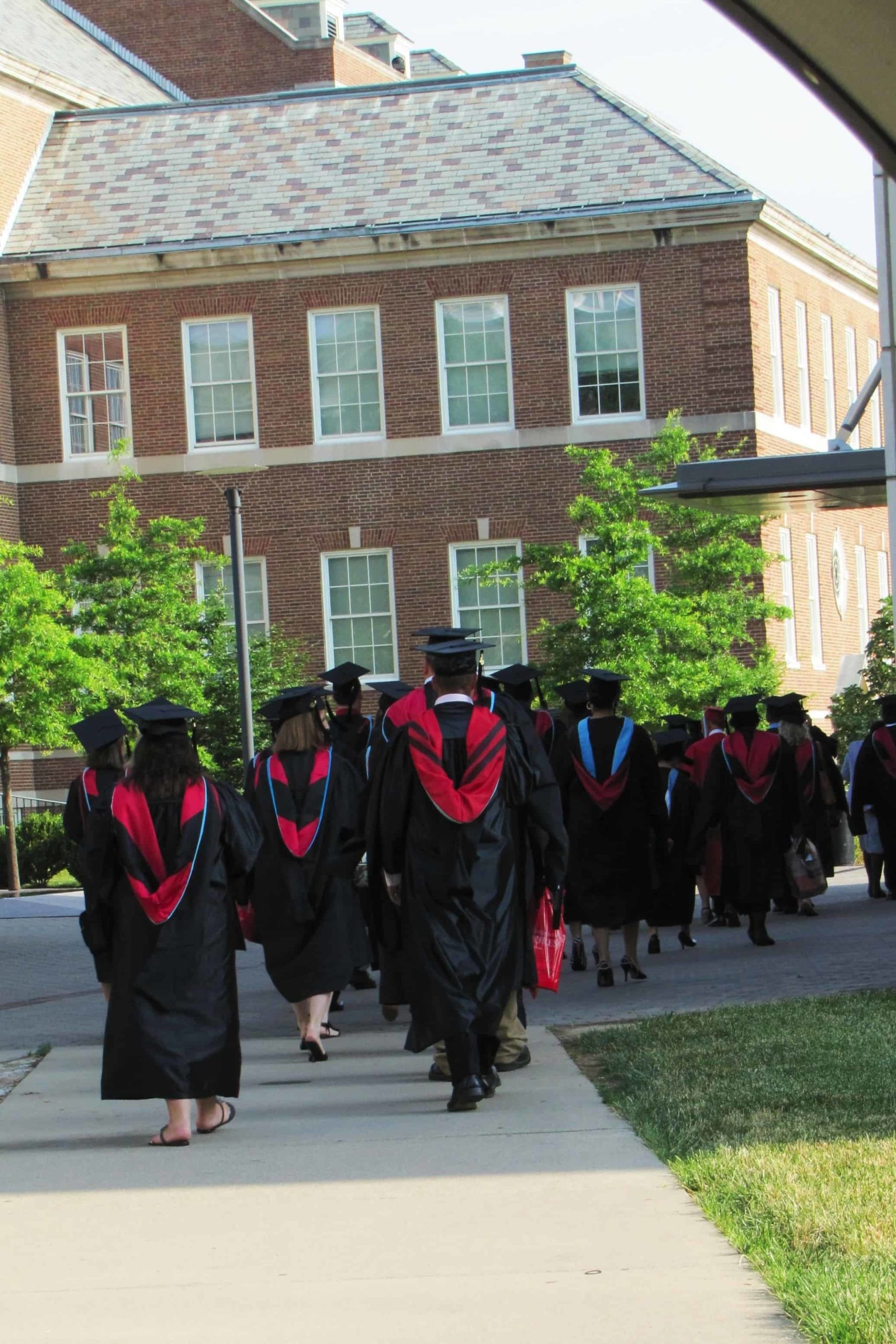
My students are adults—graduate students in fact—most of them practicing educators. They’ve enrolled in the University of Cincinnati Masters in Educational Leadership Online Program and they will spend the next two years with their online cohort and me. While we will never meet face-to-face, the cohort will transform from a group of individual strangers to a tight cadre of peers who will come to rely on each other professionally and personally for years to come.
EdTech
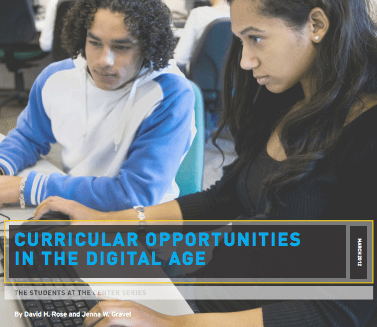
Review: JFF’s Curricular Opportunities in the Digital Age
“Historically, most classrooms have been “curriculum centered” rather than “student centered.” David Rose, a Harvard developmental neuropsychologist, and Jenna Gravel, a doctoral student, open their recent paper Curricular Opportunities in the Digital Age. If you’ve been working with adpative technologies, you won’t find any new information here. If you teach in a traditional environment, this would be a good paper to discuss in a professional development session, but pair it with The Rise of Blended Learning.
EdTech
FCC & ED Push Digital Textbooks
The Federal Communications Commission (FCC) and the U.S. Department of Education is hosting a meeting today with the goal of getting digital textbooks in every child’s hands in five years. Karen Cator, the Director of the Office of Educational Technology at the U.S. Department of Education, helped organize the meeting and provides energy and insight to the Departments focus on the shift to digital learning.
Personalized Learning
The 10 Big Issues of Our Time
The introduction of real college and career ready expectations is occurring simultaneously with the shift from batch-print to personal digital learning. These two shocks to the American education ‘system’ lead to at least 10 big issues that need to be addressed.