


Competency-Based Education

Whether employment or contracting, work is now a negotiation between a company and an individual. Barber said, “People want to learn, to have meaning, to work with great people, making a difference.”
Well, well, well… It’s that time of year again to look back on the progress made and say “that’s right!” With 2016 just around the corner, this edition of EdTech 10 is all about looking back at the 10 biggest stories that crossed our desktops in 2015.

Wrapping our 2015 #YearInReview series, Tom looks back at 2015 and outlines 10 predictions for 2016 that includes better formative assessments, dominance of Chromebooks and the adoption of micro-credentials.
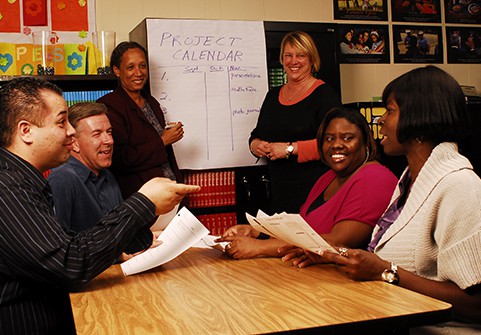
By: Jason Ribeiro. Situated learning is the practice of learning knowledge and skills in contexts that mirror the way the knowledge will be used in ‘real life.’ And vital to situated learning opportunities is a social element that relies on communities of support.
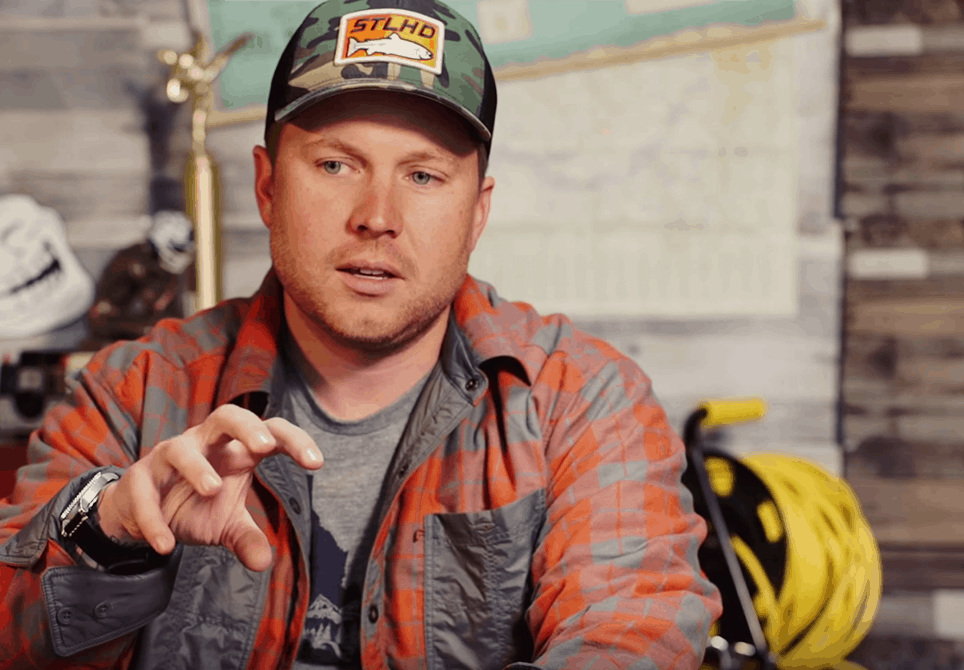
Buck the Quo campaign, from The J.A. and Kathryn Albertson Family Foundation. We are featuring the campaign as part of the GenDIY series. Buck the Quo includes a YouTube series where real people talk about real life after high school.

By: Jim Goodell. It’s not new that high schools determine a student’s grade level based on credits earned rather than age or cohort. What is new is the growth in options that allow student to advance at their own pace and earn college credit while in high school.

By: Laura Overdeck. Schools need to educate parents on the math curriculum so that they can help bolster their children’s learning. Schools can introduce parents to fun and compelling informal content outside school, which can foster a love of math as an enjoyable pastime.
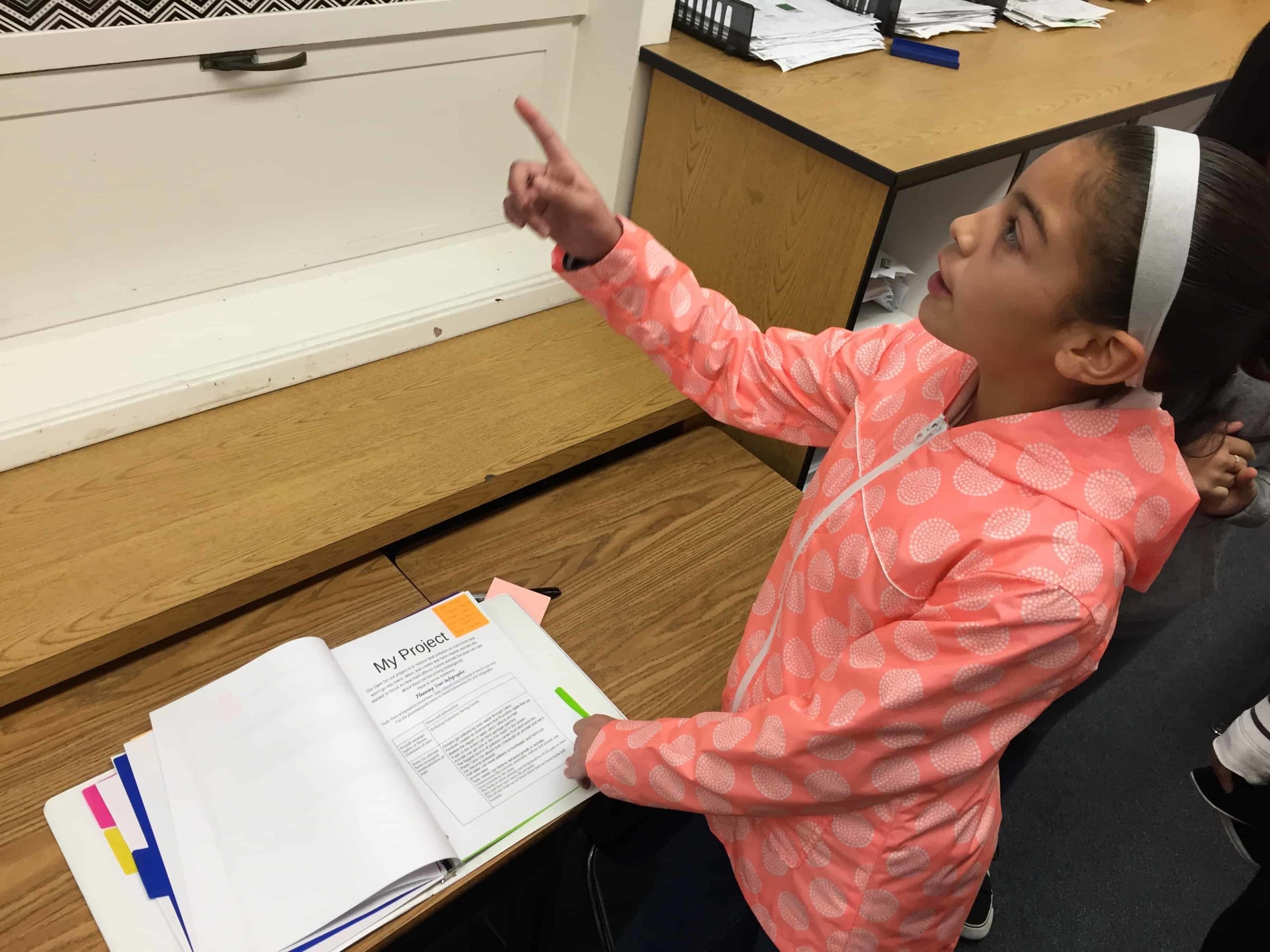
Why we need to do a better job of preparing students for a project-based world. The importance of the art of breaking down complexity for a team to get their arms around and linking the parts together to create something where nothing had been.
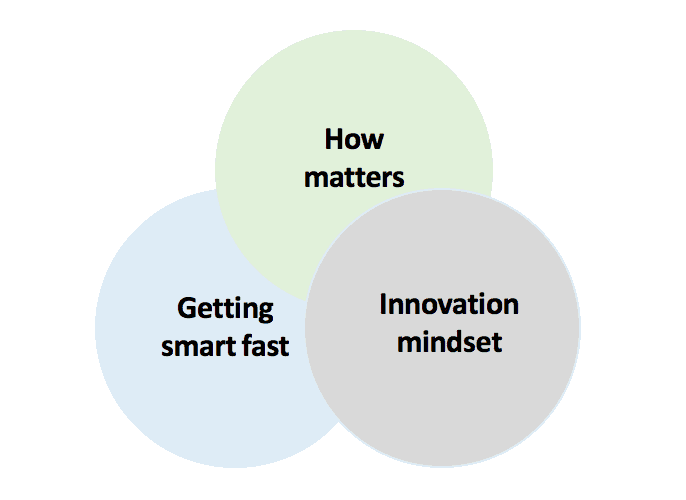
A thoughtful design thinking process uncovers individual and team biases, builds mental models and change theories–the team gains appreciation for systems work and how impact might be produced and scaled.
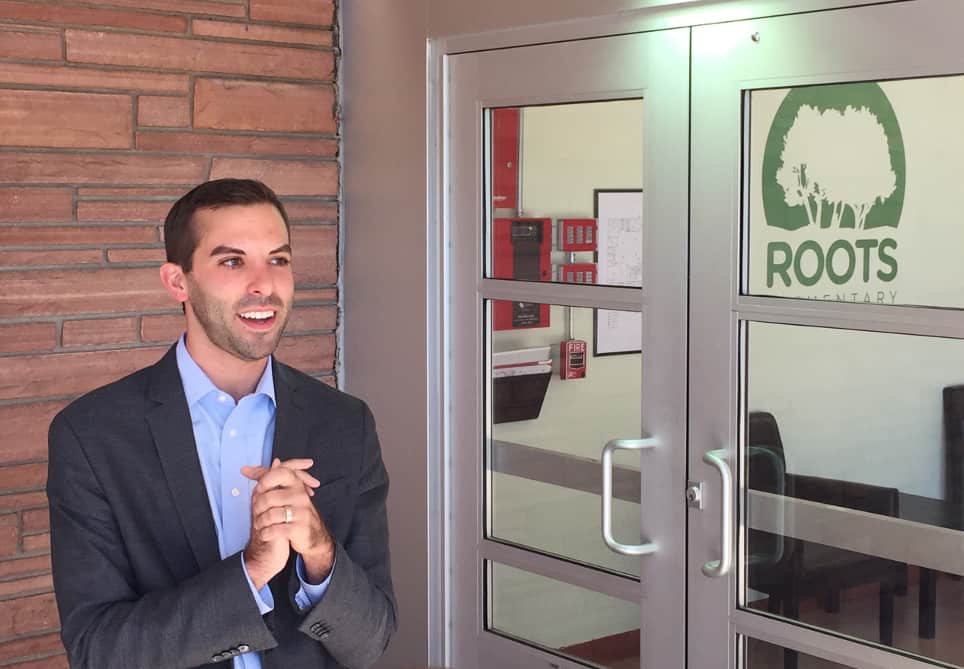
Roots Elementary is a new charter school in Denver, CO recently accepted into the New Schools Venture Fund Catapult Cohort of fourteen schools around the country pushing the limits of personalization.