

SEL & Mindset
Social Emotional Learning (SEL) is the deliberate commitment to including a framework of essential skills and dispositions that complement academics but historically have not been a part of curricular design. Learners acquire and effectively apply the skills necessary for self-regulation or managing and talking about emotions, forming relationships, setting goals and demonstrating empathy during their learning.
Leadership
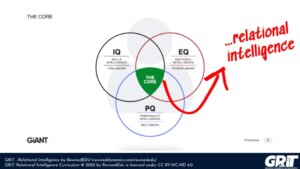
Teaching What the World Needs: How Neuroscience, Student Leadership, and Productive Struggle Prepare Learners for What’s Next
GRiT equips students with leadership, resilience, and relational intelligence, fostering readiness for a changing workforce through neuroscience and SEL.

New Pathways
Integrating Traditional Assessments into Non-Traditional Learning Environments
Explore how microschools innovate assessments, embracing mastery-based learning, AI, and alternative methods for diverse learner success.
Leadership
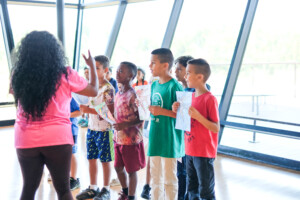
In Dallas, a Big Thought is Brewing About How Cities Can Help Their Children Grow
Explore how Big Thought in Dallas fosters learner-centered ecosystems, empowering youth like KJ through creative outlets.
New Pathways
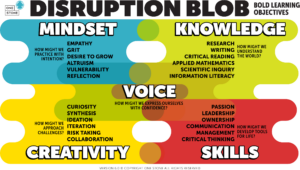
Beyond the Grade: How One Stone’s Growth Framework Empowers Learners for Life
Explore One Stone's Growth Framework empowering learners with holistic, real-world skills beyond traditional grading systems.

SEL & Mindset
Connection and Co-Regulation Precede Self-Management: A Common Sense Approach to Learning, Development and Discipline
Explore the impact of co-regulation over punishment in school discipline for fostering student self-regulation and healthy brain development.
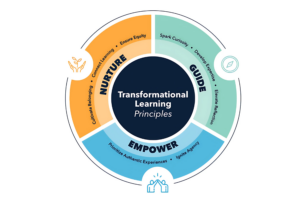
Competency-Based Education
Schools Alive with Transformational Learning
Explore ISTE+ASCD Transformational Learning Principles aligning with Getting Smart Design for whole-child educational improvements.

Leadership
Students Aren’t Coming to School – Here’s What We Can Do About It
Understanding student stories can address absenteeism. Engage families, build community partnerships, and listen for effective solutions.
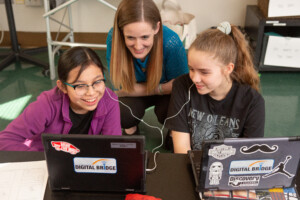
Personalized Learning
Relationally Responsible Tech: Designing a Digital Future That Puts People First
Relationally responsible tech as the opposite of "junk tech," advocating for technology designed with children's and families' well-being in mind to foster relational intelligence rather than isolation.
Ed Policy
From Chronic Absenteeism to the New Absenteeism: Five Profiles of Youth Engagement
Exploring the evolving issue of chronic absenteeism, this article introduces "New Absenteeism" to better address diverse student experiences.

Equity & Access
Kentucky’s Learning Ecosystem in 2040: A Day in the Life
Explore Kentucky's future education ecosystem in 2040 with Horizon 3, focusing on equity, agency, and lifelong learning through AI and community.