

Project-Based Learning
(PBL) is an instructional approach where traditional, direct classroom instruction and tests are replaced by authentic, often interdisciplinary projects, usually designed by the student with guidance from instructors/coaches, addressing real-world problems as the assessment instead of a test. It also is closely related to deeper learning, challenge-based learning, interest-based learning and more.
America’s Best Idea and America’s Best Classroom
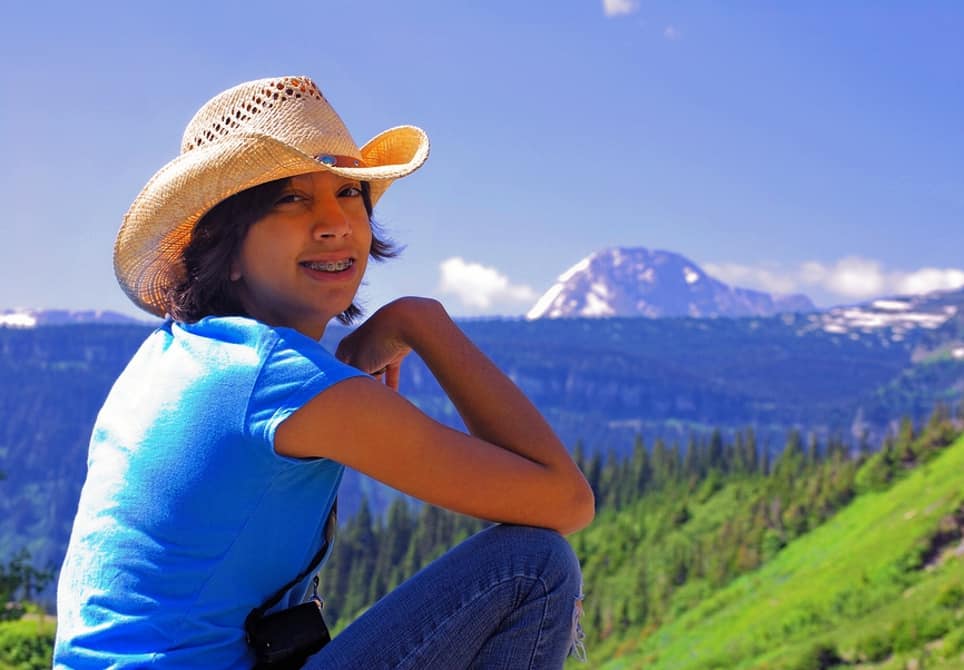
By: Mike Mahalik. Not only are our National Parks "America's Best Idea" but they might just be our best classrooms as well, offering a wide variety of content areas to teach today's students.
EdTech 10: Practice Future Now
We're committed to exploring important education topics that aren’t yet “front of mind” and sharing what we’re learning, including these new education ideas and innovations to help us all "practice future now."
The Next Step to Paul Tough’s ‘Helping Children Succeed’
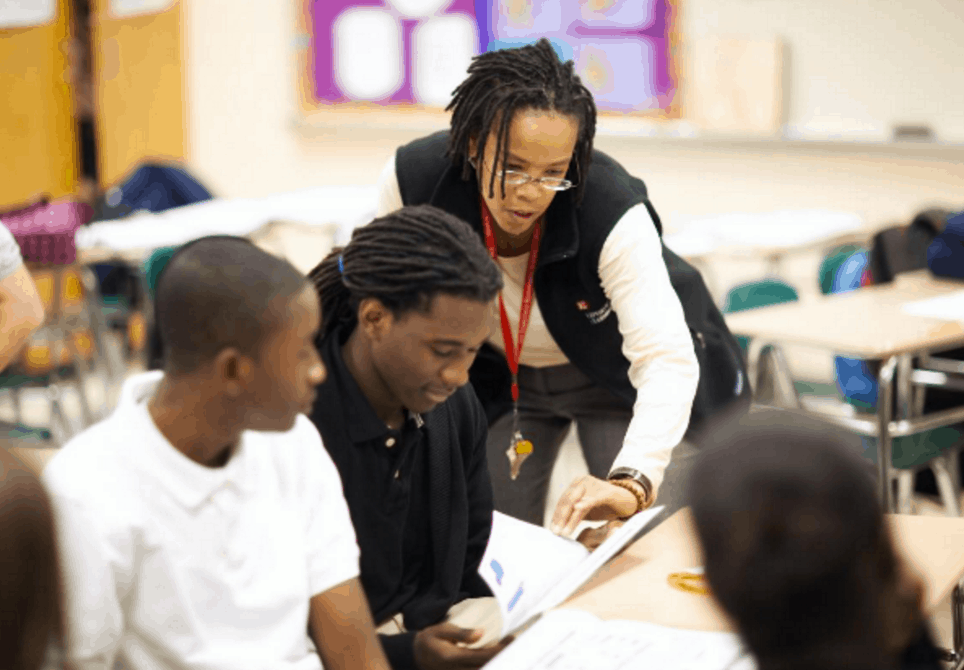
By: Barbara Chow. Paul Tough’s excellent book “Helping Children Succeed" sparks an important conversation about doing so to scale, a more realistic possibility now that ESSA has restored a degree of agency to state education systems.
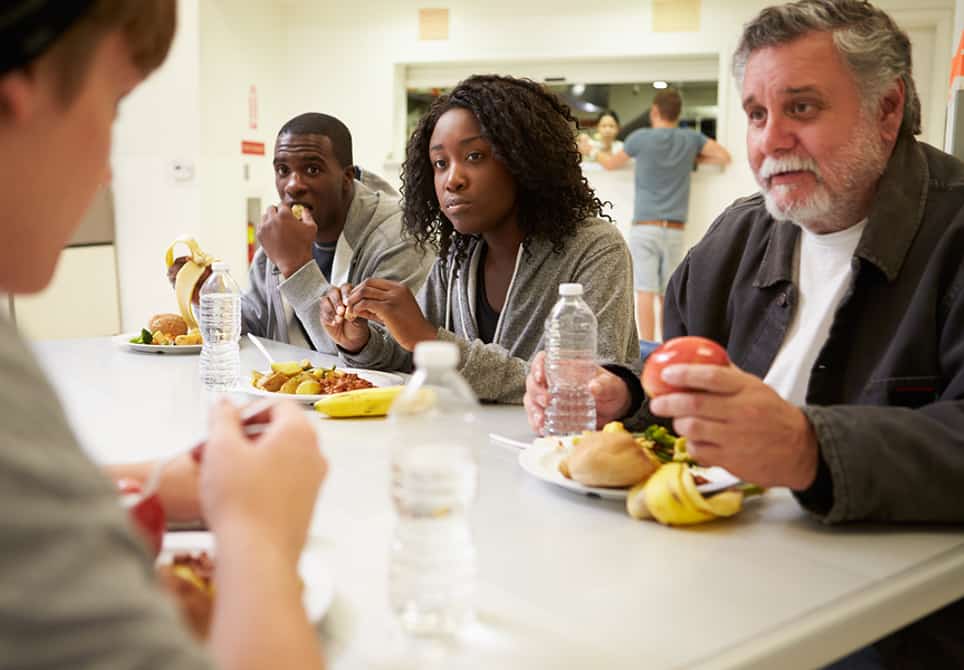
Teaching Empathy Through Place-Based Education
By: Jenny Pieratt. While searching for a way to teach my students both empathy and content, I discovered the solution through place-based learning as we interacted, engaged and connected with our community.
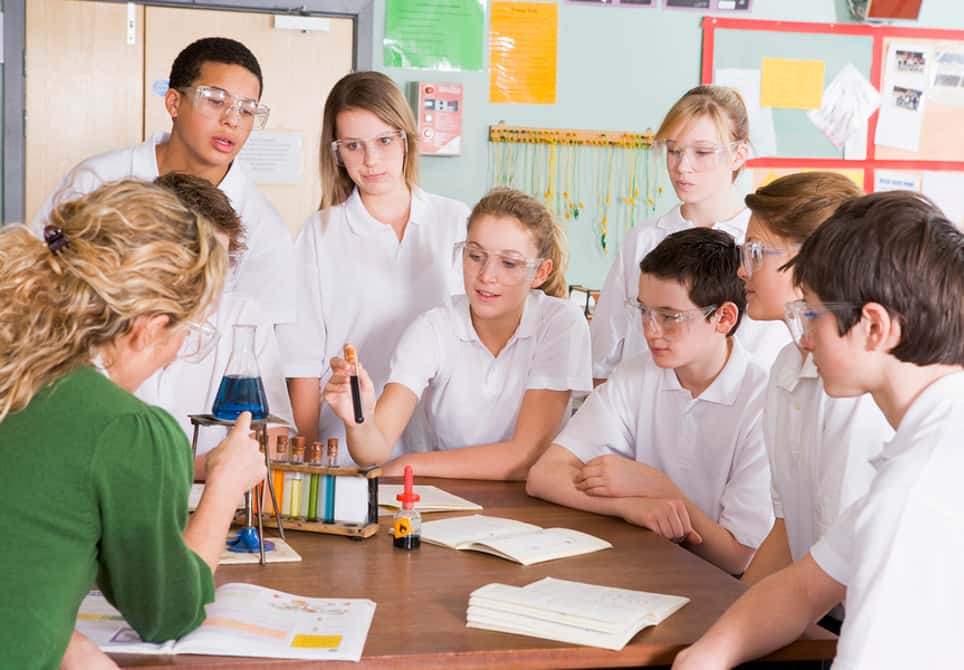
Beware the Iconography Trap of Personalized Learning: Rigor Matters
By: Betheny Gross. Supporting both rigor and personalization in the classroom is the key to the successful implementation of personalized learning. Here are how some schools are meeting both of these goals.
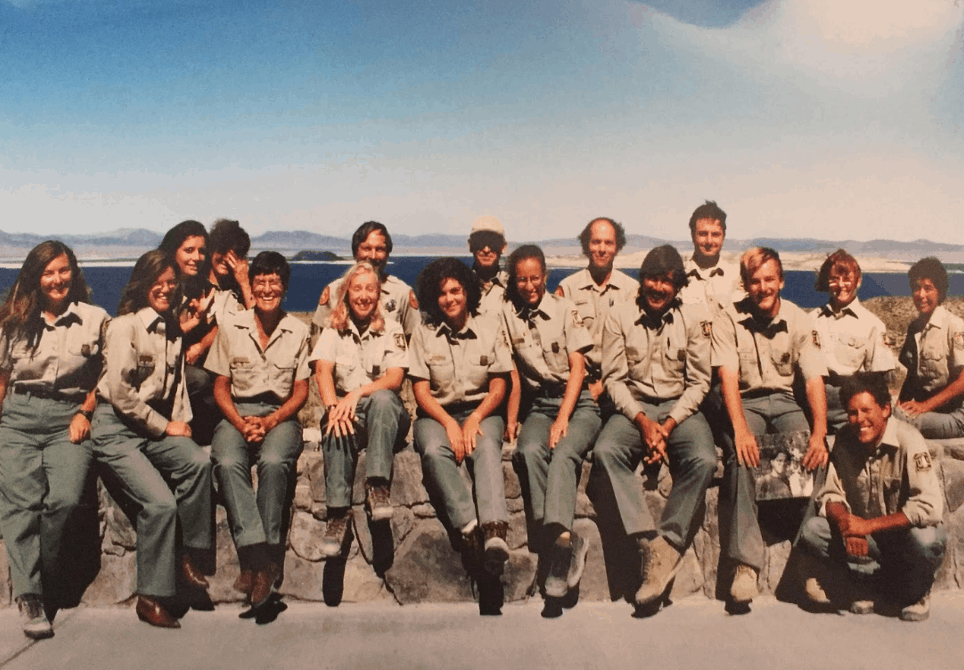
6 Reasons You Should Work in America’s Parks and Forests
We both personally benefited from formative experiences working summer jobs on public lands, and invite you to imagine how our society might be improved if every person in America had an opportunity to work and learn in a national park.
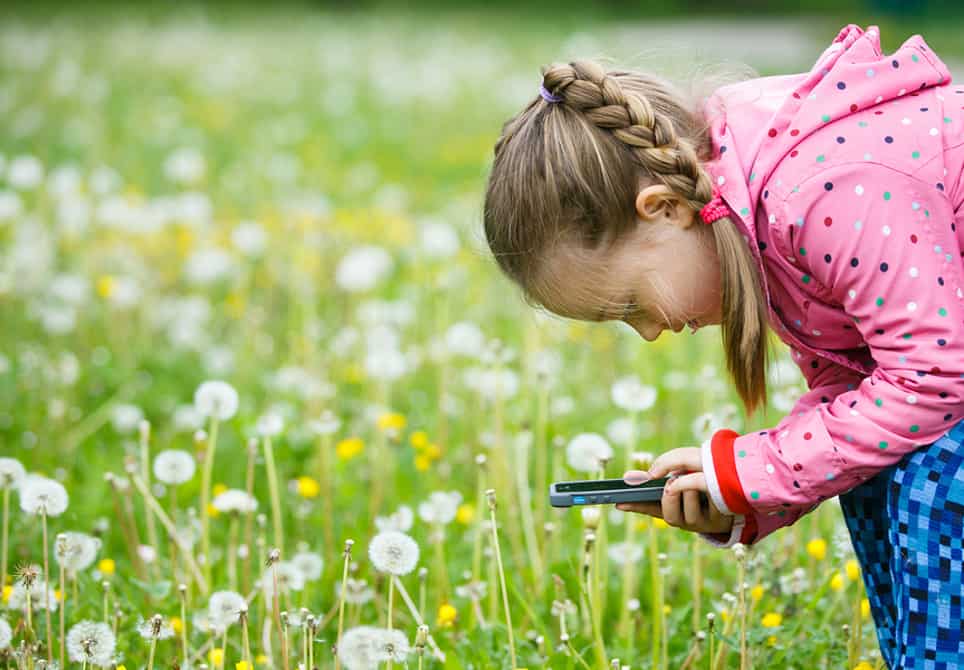
Expanding & Enriching Relationships in Place-Based Education
By: Gillian Judson. In place-based education, the importance of relationships in education is taken to a whole new level. Here are three guiding principles for maximizing the creation of all relationships and, by extension, the learning of all students.
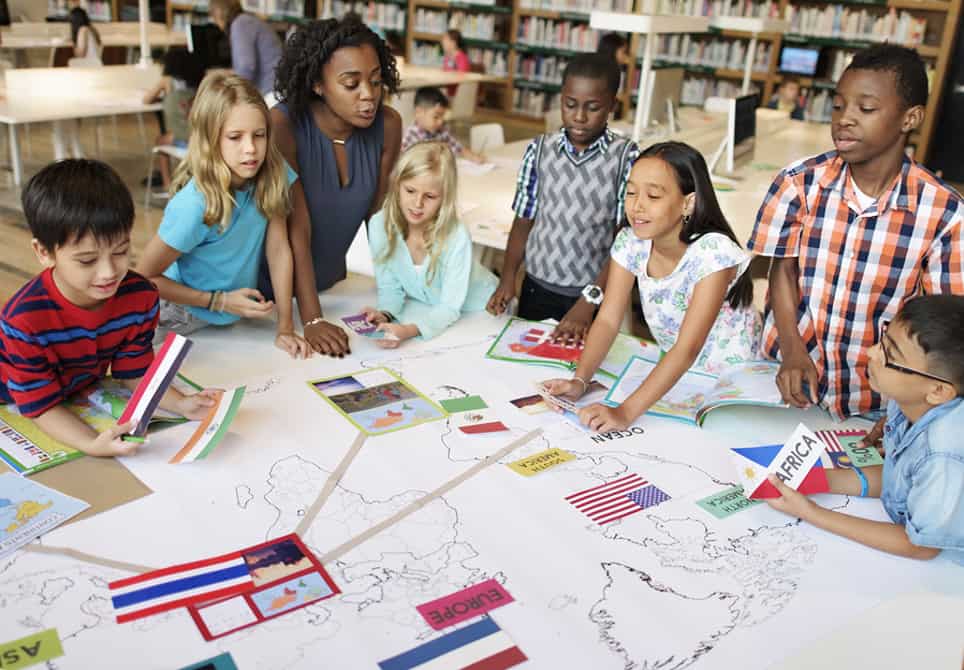
What is Conceptual Understanding?
By: Tatum Omari and Vivian Chen. How can we shift our teaching methods to prepare future generations for careers and life in a technologically-advanced world? The key is to begin teaching for conceptual understanding.
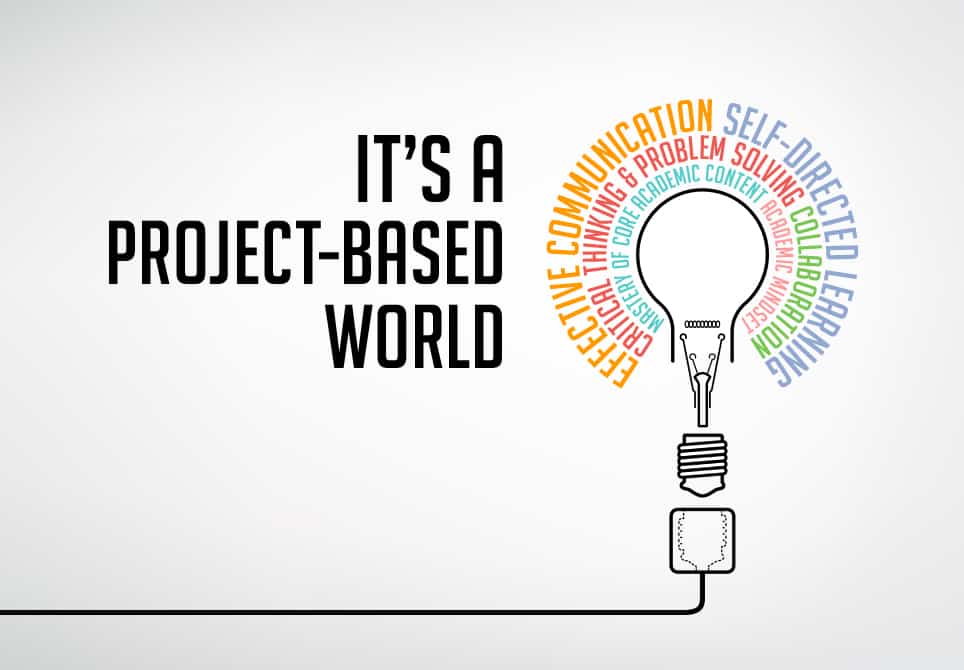
It’s a Project-Based World. Let’s Prepare Students for It.
By: Bonnie Lathram, Bob Lenz and Tom Vander Ark. In this paper we discuss the need to provide today's students access to high-quality project-based learning for future success.
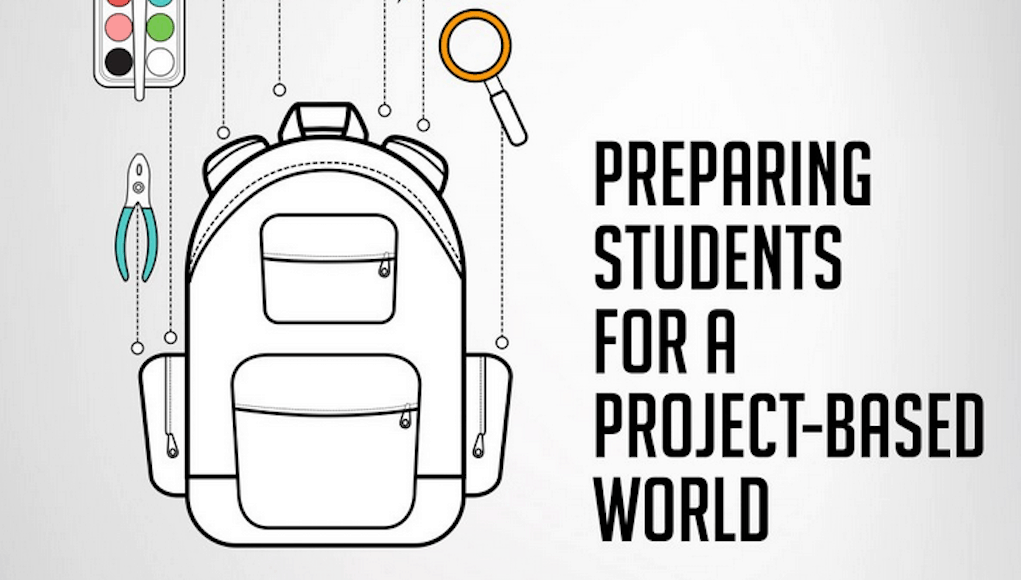
Preparing Students for a Project-Based World
"Preparing Students for a Project-Based World" describes how the new economy and growing inequities are impacting students and schools, and explores what we need to be doing to better prepare students for future success.