

Post-Secondary
Post-secondary is a shifting space — four year degrees may not always be the fit and new alternatives are being created at an alarming rate. This topic encompasses everything from higher ed to adult learning and workforce pipelines and development.

Flipping the College Decision-Making Paradigm
By: Dr. Diane Hollems. Students at more than 100 schools throughout the nation are flipping the college decision-making paradigm through the Get Focused…Stay Focused! (GFSF) Initiative.
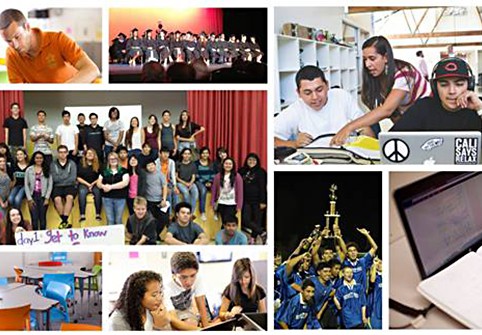
Next Generation K-12: 10 Implications for HigherEd
HigherEd institutions will need to enable a bundled multi-provider experience (or risk becoming part-time providers), focus on employability skills and experiences, and take learner experience much more seriously.
Smart List: 25 HigherEd Innovators
For the 3rd Annual Smart Lists, we’re recognizing platforms, programs and organizations leading the effort in making college possible for all students.

As College ROI dips, College and Career Readiness Couldn’t be more Important
New reports from Instructure and New Tech Network outline the vast postsecondary options and tools offered to prepare students for college and career.

America: Abandon Your Reverence for the Bachelor’s Degree
By: Mary Alice McCarthy. The stories of how two nephews navigated heavy HigherEd decisions, and how the postsecondary landscape is changing by innovations like the Bachelor's of applied science options.

20 Ways Education Will Improve by 2020
It’s getting easier to learn anything anywhere. It’s getting easier to create learning environments that work better for teachers and students. Here are 20 ways that learning (K-20) will change over the next five (or 10) years.
EdTech 10: 3rd Annual Smart List Series
In the spirit of the Smart List series here are this week’s top 10 news stories. The 3rd Annual Smart List series is off an running. During October and November you’ll see around 20 ‘Best of’ lists.
EdTech 10: With Arne Duncan Leaving… Now What?
With the news of Arne Duncan stepping down in December... It makes us ask: Are we witnessing what will one day be seen as the moment the pendulum swung towards personalization?

The Liberal Arts Have a Bright Future in Competency-Based Learning
By: Michael Horn. Although competency-based learning in higher education is arising based on the need for more affordable programs that prepare students for the workforce, by no means is competency-based learning inherently synonymous with the demise of the liberal arts.

4 Essential Competency-Based Education Commitments for HigherEd Leaders
If higher education institutions can remain focused on these core commitments, then competency-based education can make a substantive contribution to improving the quality of education, access for those not well served by traditional models, and building a closer relationship with employers and improved employability for graduates.