

Personalized Learning
Personalized learning is a mindset and approach to teaching that focuses on meeting each learner where they are and tailoring a curriculum that considers their interests, prior knowledge and skill level, and pace. Such a demand on the teacher requires sophisticated usage of technology in a combination of personalized, blended and online learning.

Auto Essay Scoring Headlines NCME, Addresses Critics
Some writers and teachers of writing have been quick to criticize or make light of the Automated Student Assessment Prize (ASAP). The team running this project (which I co-direct) has been driven by a clear mission: we want students to write more on state tests and in classroom. We want teachers…

What I’m Seeing: Magical Math Content
Math content is getting more adaptive and engaging Our kids will find it hard to believe that we learned math without adaptive engines and graphic calculators.

Generation Z: The Biggest Cheaters Since Homer
Ancient Greek records point to two men who were the last people to recite the Illiad and Odyssey from memory before that upstart, techno-cheat Homer came along and WROTE IT ALL DOWN. Newly translated documents indicate that either Statusquoates or Progressblockus own that somewhat dubious distinction.
“Self-Learning” is the New “Schooling”
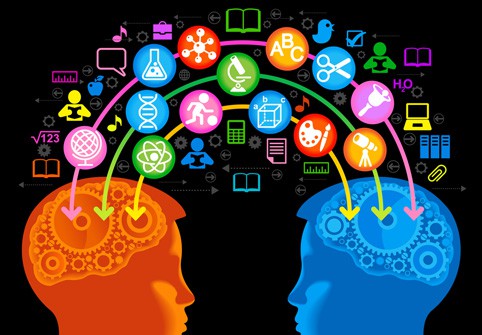
By: Dr. Idit Harel Caperton. The idea of “student-centered learning” coupled with “networked learning” has tossed the idea that all learning should only happen through schooling. No longer do classroom walls or school schedules dictate when high-quality learning occurs. Through certain uses of networked technology programs and tools, the lines between educator and learner have become more blurred—allowing individuals to serve in both roles at different times of the day.

Less Grading, More Teaching, Deeper Learning
Less grading, more teaching. More feedback, less waiting. Fewer worksheets, more writing. Less multiple choice, deeper learning. These are the reasons I’m spending a good portion of 2012 working on online assessment. Better assessment tools means better state tests and richer teaching and learning.
Youth Development & College Completion
I’ve been thinking about the relationship between the broad youth development principals that underlie successful youth organizations (and families) and the specific opportunities to significantly boost college completion rates. I’m quite optimistic that edupreneurs will develop tools and institutions that gradually boost the percentage of Americans holding a post-secondary credential. I’m a little less optimistic about the percentage of American youth that will grow up within a strong web of support.

What I’m Seeing: 10 Terrific Tools
Here's powerful #EdTech tools for reading, writing, assessment, language, PD, behavior, music, presentation, and production.

What I’m Seeing: Coding Schools
This is the fourth post in a series of ten on categories where I’m seeing strong edtech startup activity. We’ve looked at productive post-sec, informal learning, and credentialing. A specific subset and application of the trends discussed so far is the rush to coding. The rash of coding startups suggests that everyone wants to learn to write computer code.

Magnifying the Power of Learning with e-Portfolios
Over the years, one of the major problems in higher education has been our inability to provide evidence of what students learn, particularly those broader skills and attributes critical to students’ future success. At a time when employers, parents, students, and society are demanding a new level of accountability for the rising costs of college, institutions that help their graduates present solid proof of what they learned will be at a competitive advantage.
On the Blended Learning Road with DSST’s Jake Firman
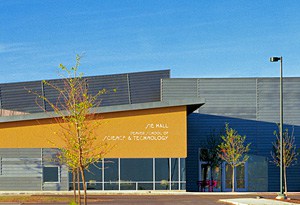
Jake Firman, Denver School of Science and Technology is on a blended learning road trip. In the first of a series, he considers individualized instruction for students, rich banks of digital content, and achievement recognition systems.