


Competency-Based Education
Competency-Based Education implies leaving behind the A-F grading scale and designing instruction that includes explicit, measurable, transferable learning objectives to empower students with specificity in their learning and at its best, enables them to move at their own pace (often coupled with personalized learning). It also emphasizes the same departure of other modern pedagogy in that students create knowledge and the ability to use that knowledge going forward. This topic impacts credentialing, mastery and assessment.

The ‘Show Me’ Grading System of the Future
Changing the way we grade, report and evaluate student learning can oftentimes feel like an uphill battle. But our students deserve better. This post contains some useful steps and food for thought to plan for progress in that direction.

18 Examples of State Policies that Support Competency-Based Programs
In this post, we look at examples of state policies grouped by their features of flexibility from time-based systems, competency-based diplomas, acceptance of competency-based diplomas and credits by higher education, flexible learning, state assessments, and innovation pilots.

10 Corporate and Higher Education Examples of Competency-Based Programs
The initiatives highlighted in this post are interesting and forward-leaning examples of ways that employers and higher education providers are designing competency-based programs.

Helpful Tools for Providing Effective Competency-Based Education
These tools represent a sampling of some of the best CBE-capable edtech in the areas of learning platforms/learning management systems, curriculum resources, assessment/reporting, and platforms that fall outside of these categories.
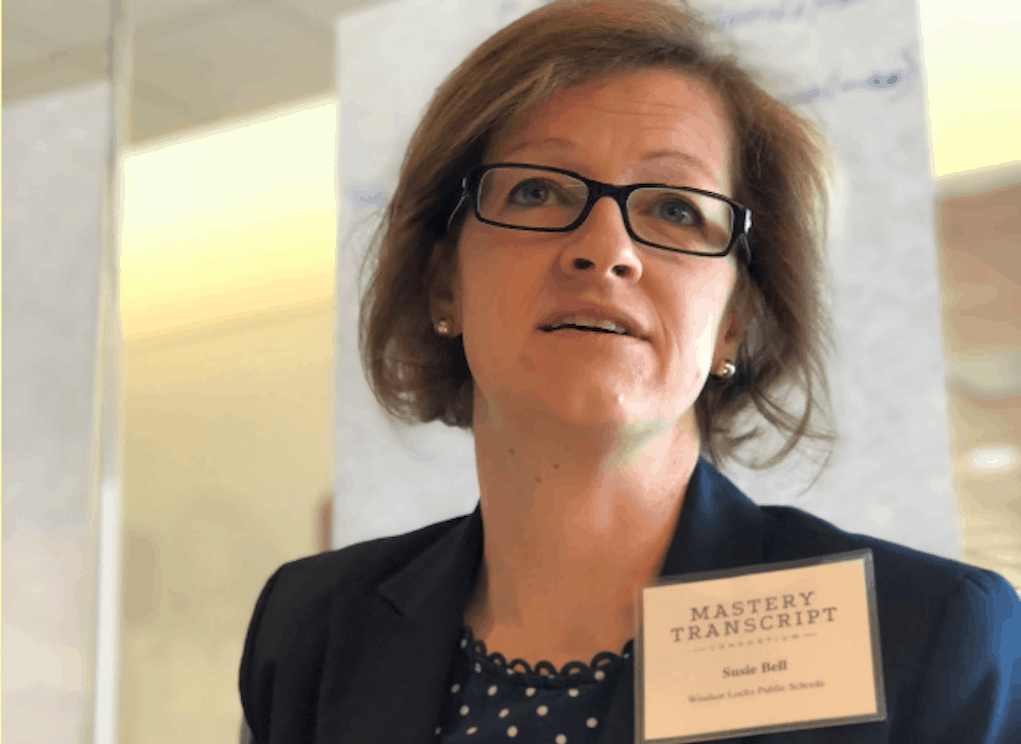
On Becoming Student-Centered and Mastery-Based
In this episode of the Getting Smart podcast, Tom chats with Dr. Susan Bell about Windsor Locks Public Schools and their move to mastery-based learning.
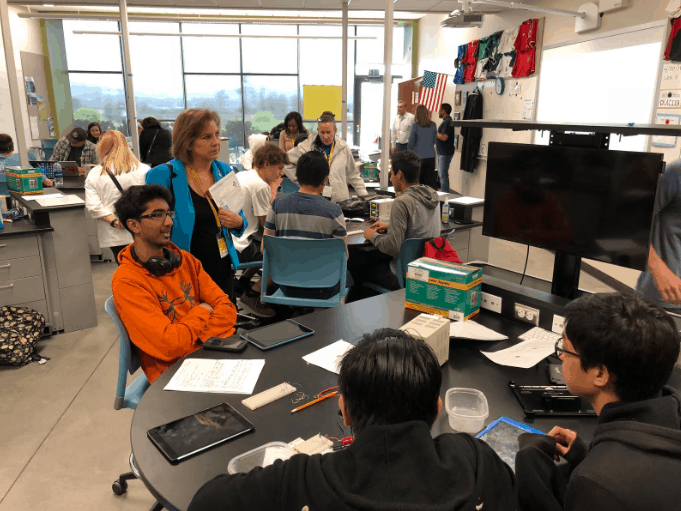
Show What You Know: The Shift to Competency
Competency-based school models have the potential to better prepare young people for the innovation economy. But what is competency-based? How do we get there? What are the risks?

How IMS is Leading on Interoperability and Credentialing
Plumbing--you don’t think about it, but can’t imagine life without it. In education, data is now the plumbing, and IMS Global Learning Consortium is the leading standards-setting body. Here, we look at some big announcements from a recent event they hosted.
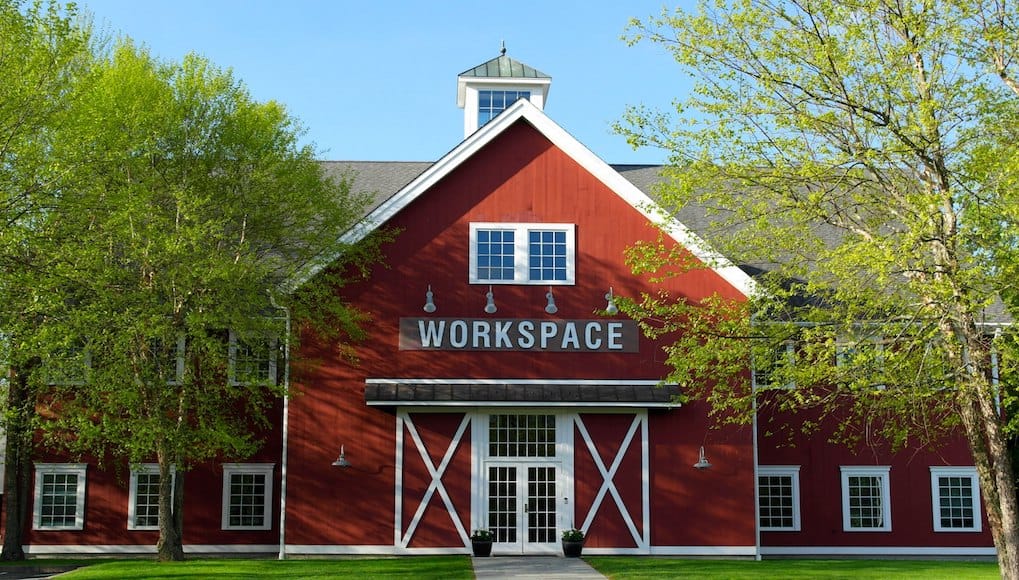
Curating a Portfolio of Student Pathways: Workspace Education
By: Robin Lake. I’ve been thinking about Workspace since I left and wondering what to make of it. It’s definitely different and meeting a need. Some families drive an hour to be there, and I can understand why.

Rethinking the High School Credential
Most American youth don’t get what they need from high school. There are lots of reasons, but two root problems are how we’ve defined the finish line and how we communicate success. Here, we look at the current high school credentialing system and the questions we think need to be answered to drive progress.

Credentialing America: How Impact Investing Can Help
For individuals, the right kind of education can boost employability. For communities, educational attainment correlates with better social, economic and personal outcomes for citizens. How can we spread access to high-quality credentials?