

The Mature Brain: There’s Hope for the AARP Eligible
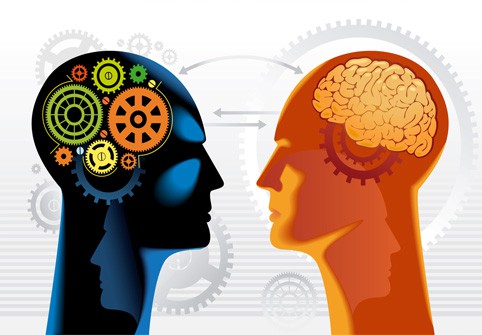
In his book The Mature Mind: The Positive Power of the Aging Brain, Gene Cohen describes "one of the brain’s most powerful tools is its ability to quickly scan a vast storehouse of templates for relevant information and past experience to come up with a novel solution to a problem. In this context, the mature brain is especially well equipped, which is probably why we still associate wisdom with age."

Good Work: Coming to Grips With Standards of Quality
When I was a superintendent, a group of 40 students ranging from six to eight years old asked me to visit their classroom for a presentation on quality. One after another, teams of students described quality teachers, quality schools, and quality students.

A Case for Certification
The U.S. needs more college grads or more preciesly a more job ready workforce. A portion of that need will be meet via informal learning strategies and recognized by certification and badging systems.
Staff Picks: Big Data, EdTech, SOPA/PIPA
Tom picks an article on increased data to develop finer-tuned praise and feedback for students. Karen picks an article by one of our guest bloggers on shifting the classroom to technology. Caroline picks an article discussing how the public helped turn over SOPA and PIPA in Congress. Sarah picks a post on the recent SOPA and PIPA bills that turned over this week.

MIT Media Lab Is Innovating Its Way to the Future
The graduate program at MIT Media Lab, where new technology is born, is creating unexpected combinations to discover unique applications of technology in our daily lives.
Ohio Is Getting Smart On Digital Learning Day
KnowledgeWorks, Ohio Education Matters, The Ohio State University College of Education and Human Ecology and the Ohio Resource Center are co-hosting the event "Getting Smart Book Chat With Tom Vander Ark" on Digital Leraning Day in Columbus, OH.

Strategic Collaboration Yields Great Options for All Students
School district and charter collaboration is obviously a good idea. When collaboration leads to strategic coordination, it has the potential to create a single portfolio of quality educational options. Jim Shelton and I wrote about this in a 2004 paper—Good Urban Schools: A Portfolio Approach—that still holds up pretty well.
Riverside Virtual School Takes a Competency-Based Approach to Online Curriculum
Curriculum is personal. When created, teachers are essentially deciding what information is valuable enough to share with others. Will it challenge, engage, and inspire? Online curriculum allows for flexibility. One of the greatest things about online learning is that students work at their own pace, even with deadlines, the "when to work" is usually determined by the student. This is also one of the biggest challenges with online learning.
Can Apple Technology Save Education?
Apple has proven a successful disruptive innovation in business and life with its iPhone, iTunes, and iPad technologies. Now, is it ready to disrupt education?
Why States Should Require Online Learning
Graduation requirements translate society's expectations to the young. It's our collective best guess at the knowledge and skills they will need to participate in the society they will inherit. If we did not require algebra, not many students would take it. Low-income, minority, and struggling students would be steered away from advanced math. Setting minimum education requirements promotes equity and participation.