

Archive: 2016

Next-Gen Personalized Learning for ELL Students
Personalized learning for ELL students is happening across the country. What's working for the diverse needs of ELL students? And what gaps are present? Join Getting Smart as we investigate this topic using the #SupportELL hashtag, and join in the conversation by: 1. Sharing your guest blog with us or 2. Tweeting to us your favorite ELL tool, tip or strategy using #SupportELL.

It’s Time to Raise the Level of Education Debate in the US
By: Matt Williams. It’s time to discuss how to best educate our students for life beyond high school as they enter an ever-changing, increasingly innovative, interconnected workforce where many of their future jobs have yet to be created.
11 Key Elements of Learner-Centered STEM
The largest network of STEM schools in the country, Harmony Public Schools, is a pathway to college for youth from low income families--especially if they are interested in careers in science, technology, engineering and math (STEM). Here are eleven important elements of the Harmony school model that can inform a shift to Learner-Centered STEM in your school or district.
EdTech 10: 20 Years from Now, Learning Will Look Like This
This week’s EdTech 10 is inspired by the predictions and energy from the voices and positivity generated from our exploration of what learning will look like in the year 2035.
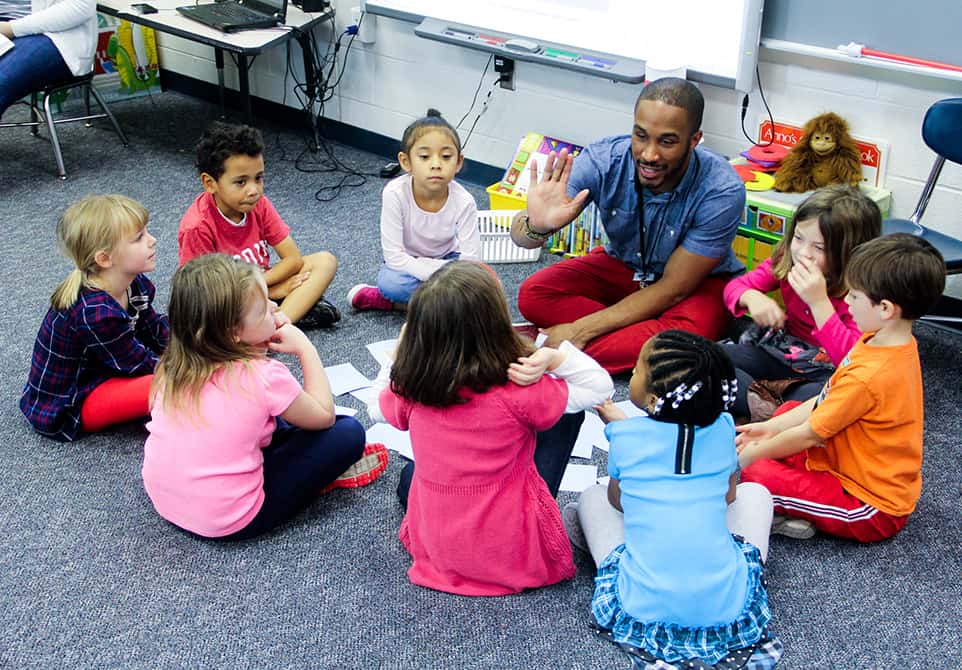
What do Globally Competent Students Look Like?
By: David Young. In education, global competitiveness can be characterized as the set of skills and factors that support individuals’ personal and professional productivity in their communities and in the world. Being globally competitive today requires developing global competence.

10 Benefits of Teacher Developed Curriculum
When it comes to developing curriculum, who knows their students’ needs better than their teachers? Here are 10 observations from teachers on developing curriculum using LDC and other edtech sources.

On Learning, Productivity & Economic Growth
Advances in public health, improved economic opportunity, urbanization, technology innovation, or the expansion of democracy are all important trends. But I’d argue that, with some relation to all of these, expanded access to learning is the most important.

Using ‘Most Likely to Succeed’ to Spark Community Dialogue
Unfortunately, since the debut of 'Most Likely to Succeed' not much has changed in how we’ve been preparing young people for the careers of tomorrow, which in many cases arrived yesterday. Recognizing this are countless communities who are using the movie as a way to generate conversations at the local level.
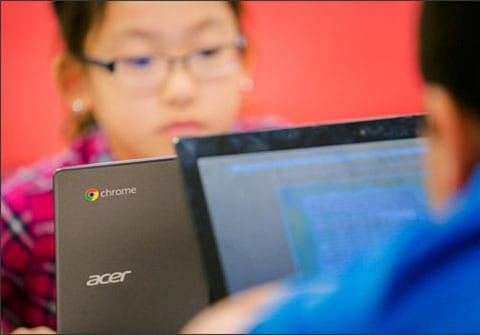
Chromebooks in the Classroom: Why Schools Need to Manage Devices
By: Advait Shinde. As schools become aware of user-friendly tools for effective Chromebook management, the future of Chromebooks in education looks bright. Educators can keep students safe while receiving more granular data focused on how individual students learn and behave online.

3 Steps for Educators to Take Advantage of OERs
By: Bill Taylor. With the advantages of OERs being so clear, why aren’t more educators utilizing them? Solving the mystery of OERs requires work in three categories: identifying high-quality, vetted OERs; implementing OERs in the classroom; and collecting informative and actionable student data.