


Archive: 2016

Preparing Teachers for 21st-Century Learning
By: Bill Taylor. How are teachers being developed to use educational technology in a way that best supports a student’s ability to learn?

18 Ways to Power Learner-Centered STEM Partnerships
Learner-Centered STEM takes powerful partnerships with people outside classroom walls, so here are 18 examples of partnerships making Learner-Centered STEM a reality for students at Harmony Public Schools.

Building Better Teams for Project-Based Work
Young people are headed for a project-based world in their future careers, so it's imperative we set them up for success now through intentional project-based learning experiences in school.

EdTech 10: Taking a HigherEd Path
This week’s edition shares stories on providing today's students with the opportunity to choose highered as their path after high school.

5 Power PBL Examples: Makers, Muppets and More!
It’s a project-based world. Personalized project-based learning transforms students. Here are five examples of student projects that are transforming student learning.
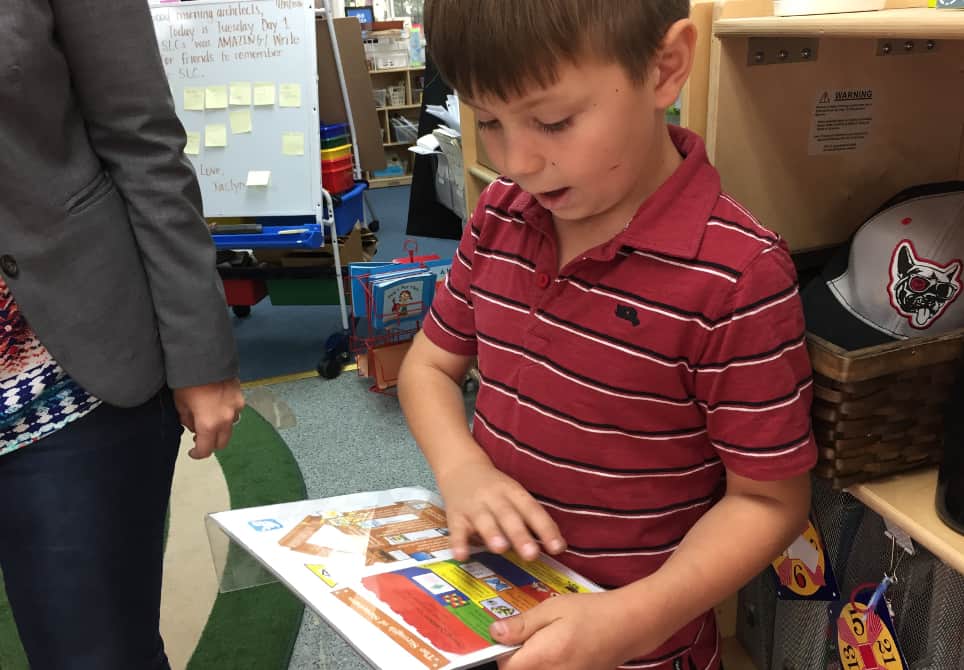
What’s Next? Personalized, Project-Based Learning
There are several challenges faced when trying to execute project-based learning well. Here are 10 next-gen schools blending the best of personalized learning and project-based learning to address these challenges.

How to Avoid the Free Rider Problem in Teams
We've all experienced a "free rider" in a team project, both in school and work. So how can we avoid this when creating teams to ensure everyone participates?

20 Math and ELA Tools that Support English Language Learners
As part of our #SupportELL series, we have summarized some products, services and tools that support English Language Learners (ELLs) and their teachers.

Social and Emotional Learning and Assessment: The Demand is Clear
By: Jonathan Martin. Noncognitive skill assessment is a necessary, even critical component, of strengthening social and emotional learning in schools.
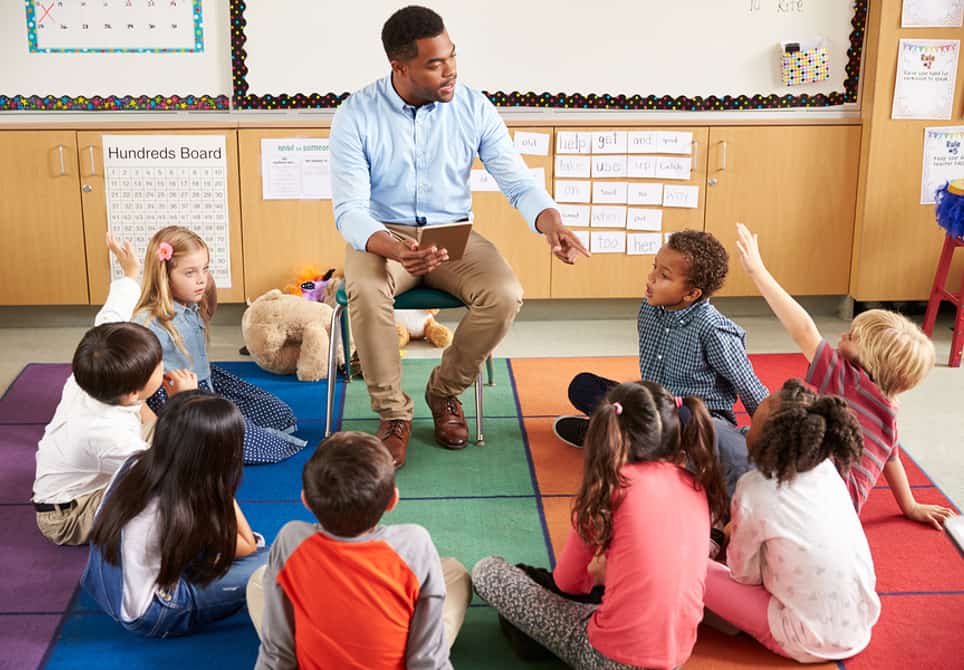
How Can You Truly Meet Students Where They Are?
By: Karla Phillips. Meeting students where they are in education may mean redesigning schools away from an age-based grade level system into a competency-based one.