

Archive
component:where.partnerships
Difference Making
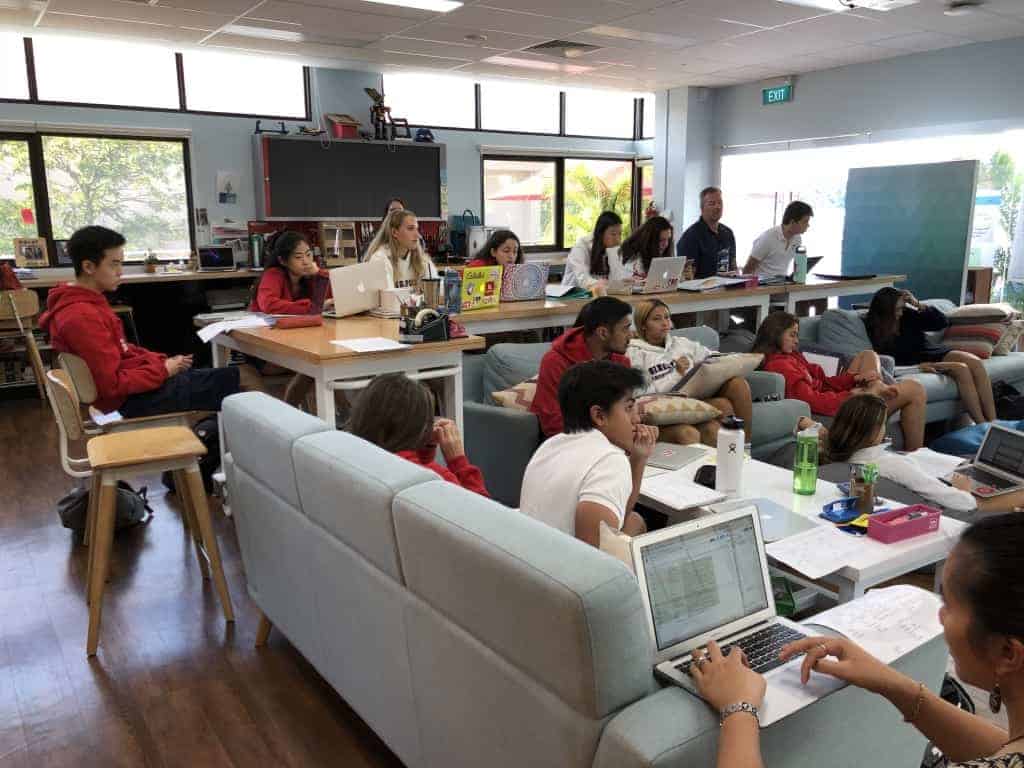
Alive With Possibility: 20 Tips for Creating Responsive Schools
Responsive schools create a culture of possibility for youth by giving voice to their interests today and exposing them to opportunities for tomorrow. They enable success in what’s next—in work, learning, and community service.

Ed Policy
How States Can Jumpstart the Future of Learning
State policymakers can prepare students for the future by ensuring all kids have educational opportunities and skills needed for the future of work.
Difference Making
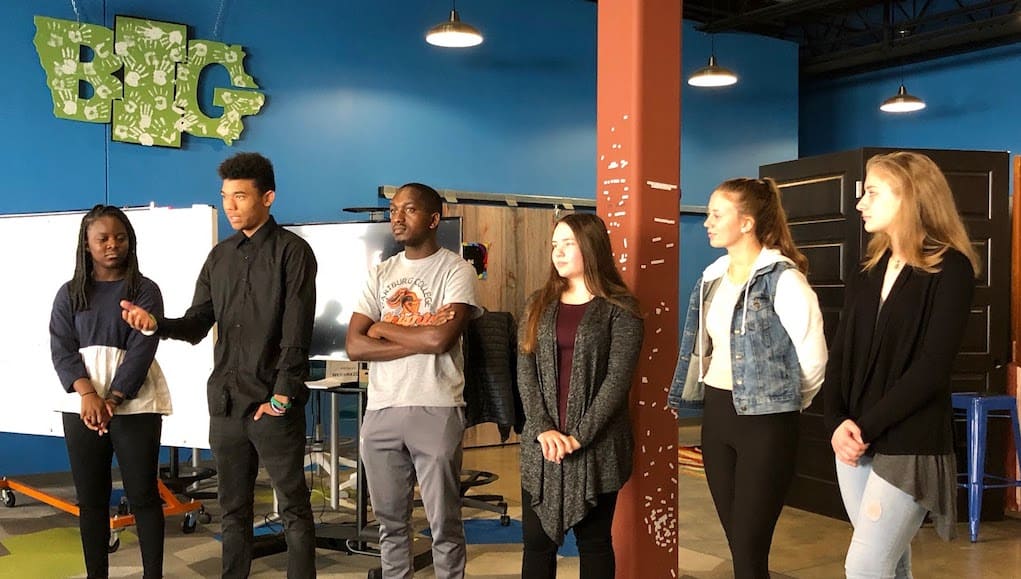
Making a BIG Difference: Unleashing Talent, Inspiring Innovators
Iowa BIG connects students to their communities, enabling the learning of core academics and 21st century skills through real-world projects.
Project-Based Learning
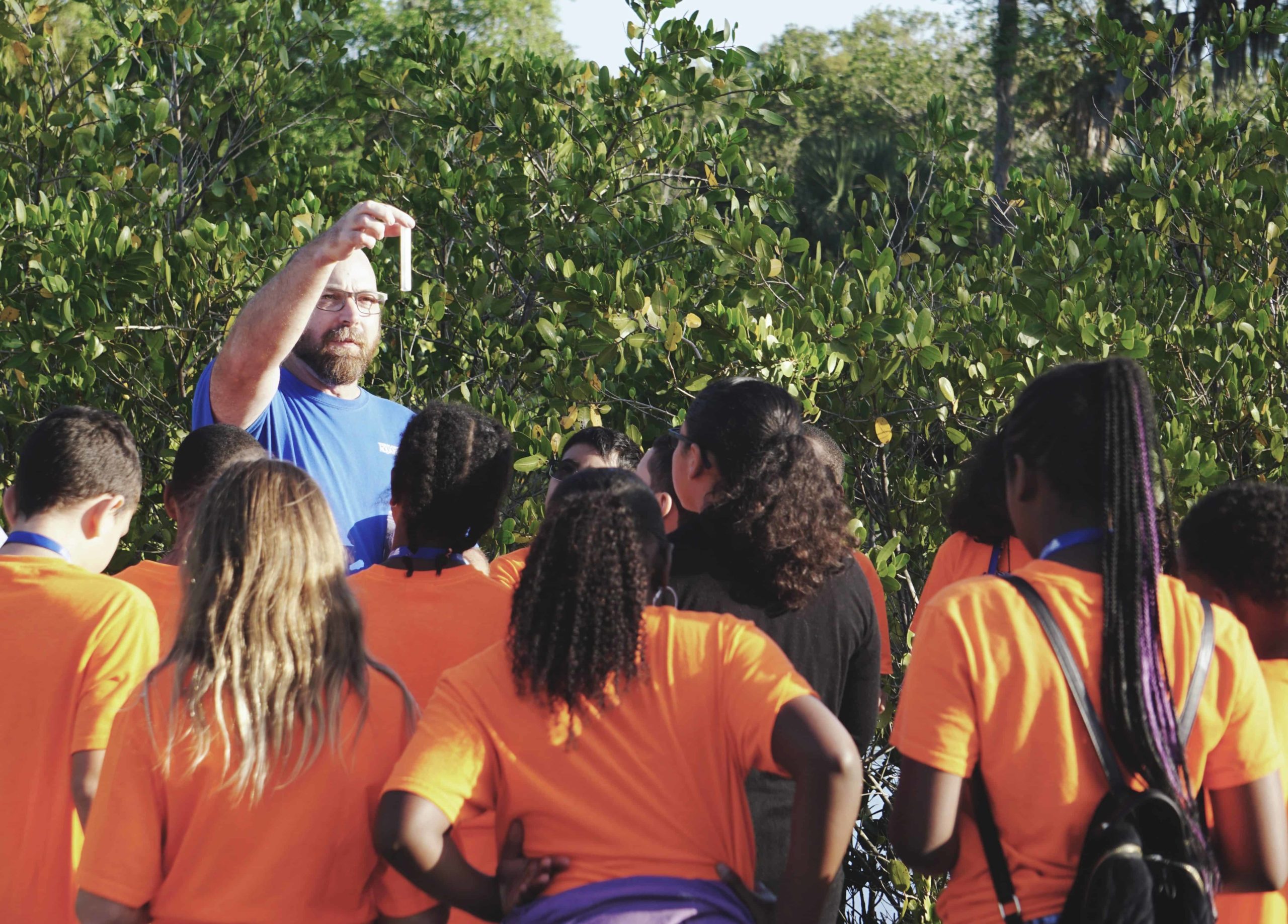
Project-Based Learning Provides Path For Increased Awareness of Self, Others and the World
Project-based learning may be the ultimate instructional approach for many reasons, but none possibly more important than its ability to propel a learner’s journey toward self-actualization.
Leadership
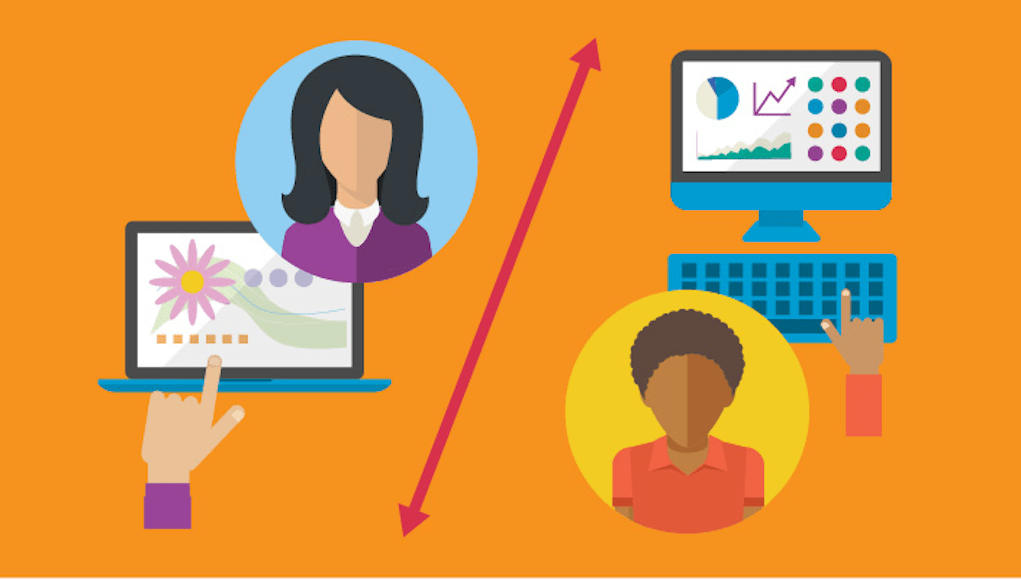
What Makes an Effective Classroom Coaching Program?
By: J. Schuler et al. These five components make for a strong classroom coaching program facilitating your teachers’ professional development.

Competency-Based Education
Shining a Light on the Future of Learning at Aurora Institute
The Getting Smart team reflects on the standout themes of the 2019 Aurora Institute (formerly iNACOL) Symposium, a conference aiming to move the needle forward for competency-based and personalized learning.

EdTech
Exploring the World From Our Classroom
Promoting global collaboration is important to help our students develop skills for the future and to enhance their cultural awareness. There are a lot of digital tools are resources that facilitate these collaborations faster than ever before.

Marketing & Communication
Design Thinking For School Marketing: Empathize With Your Community
Empathy is the first step in the design thinking framework. It’s a crucial part of the successful marketing of your school.
Career & Technical Ed
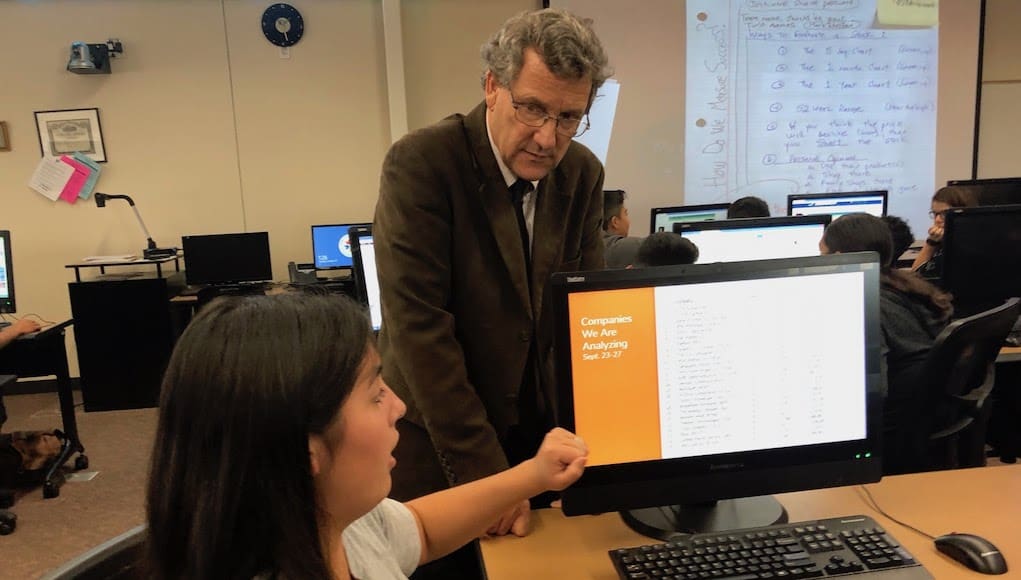
ConnectEd Links Learning to Career Pathways
ConnectEd is taking Linked Learning national through long-term often grant-funded district partnerships. This month we observed two of these partnerships in action.
Project-Based Learning
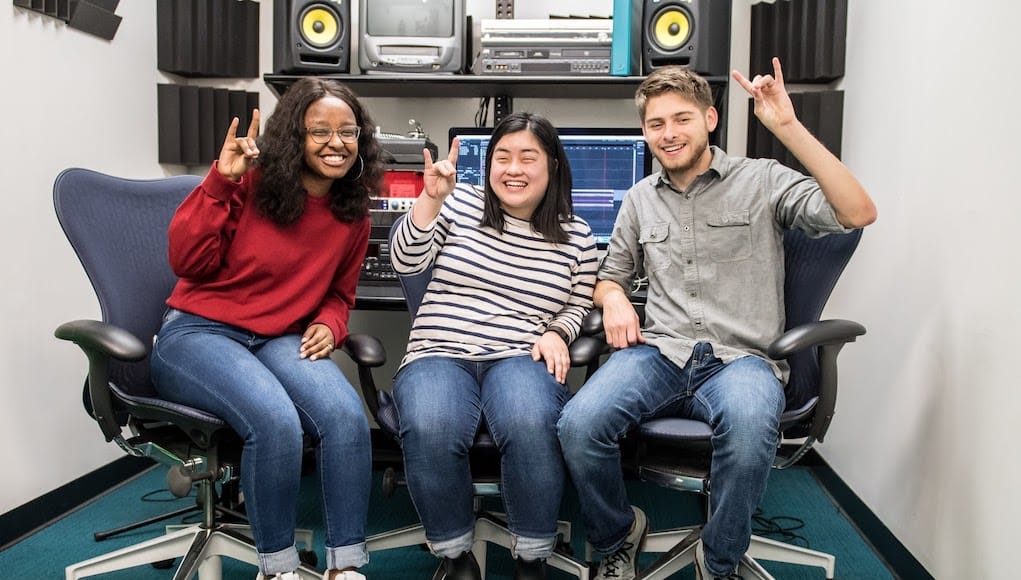
Centering Dialogue in the Classroom: It’s about WE, not ME!
By: M. Kokozos et al. Through enabling dialogue, educators shift their classroom climate from one of competition to one of cooperation, respect, authenticity and openness.