


Archive
element:what

7 Ways State Policy Can Promote Competence
There are seven ways state policy can promote and accelerate the shift to next-generation competency based learning and improve outcomes.

Summer Spotlight: Competency Based Education
Don't miss iNACOL's summary of competency-based learning that gives an introduction and overview of one of the most exciting trends in teaching and learning.

What Does Educational Success Look Like? Depends on Who’s Doing the Looking
By: Kurt Bauer. What does success look like? It’s not all that unique or profound, but it’s still a question that gets at the core of the staggeringly enormous apple that we call education. When will we know we’ve accomplished our goals? How do we recognize when we’ve achieved our purpose?

Teachers Deserve Better Tools for Tracking Subskills
Most schools have no way to combine the assessment information from multiple sources in ways that are useful for driving instructional improvement or managing student progress. While this seems to be an easy problem to solve, there appear to be four significant problems.

Whistle While You Work
The reality for education today is to teach students towards their college and career goals. What have I learned along the way through my professional story? 1) Reflections are the proxy to a happily ever after. 2) Mentors are timely, caring, and a comforting irritant that may come in the form of a fairy godmother or 7 miners. 3) Goals keep you focused on what matters.
10 Things Educators, Mayors, Business Leaders Should Do Now
Take 10 minutes and think about ways you can extend your impact. Here's 10 things educators, civic and business leaders can do to help create #SmartCities
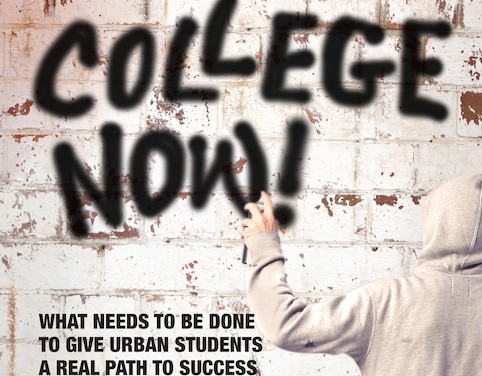
College Now: Scott Mendelsberg’s Great New Book on College Prep
In many high schools, the shuffle of a discipline-based, big-catalog master schedule can lead to lack of sustained relationships and increased risks for students to fall through the cracks. Important outcomes get little attention with the lack of an advisory spine. In his new book College Now, Scott Mendelsberg takes on these problems of aims and architecture; of inequitably distributed resources and expectations; and the political dysfunction of urban school districts.

Fostering Next Gen Learning: a Q&A with iNACOL’s Susan Patrick
Tom recently discussed next-gen learning with Susan Patrick of iNACOL. Here's a Q&A from their discussion...
Preparing Students and Teachers for Next-Gen Assessments
To support school leaders and teachers, EdTech companies are supporting the development of resources that help prepare both students and teachers to meet the rigors of the new standards and assessments head-on AND succeed. As part of this effort, Scholastic’s READ 180 has developed rSkills College & Career and Stretch Text Instruction and Assessment Practice as resources to prepare students for these new rigorous assessments.
Moving Towards Next Generation Learning
We are, let’s face it, a Tower of Babel when it comes to defining what we’re all doing here. That sounds disparaging, but I don’t actually mean it that way. Re-imagining the desired outcomes and the common student experience of America’s public schools is a messy, chaotic business – and that’s what real change looks like.