

Archive
element:what
The End of the Big Test: Moving to Competency-Based Policy
The use of assessment pilots and innovations zones where groups of schools apply and become authorized to operate alternative assessment systems will soon replace the frustration surrounding NCLB and end of year tests.
Parent-Managed Learner Profiles Will Power Personalization
Online profile management is becoming important in every aspect of life, it’s a new digital literacy competency that every young person must learn to exercise. That starts with empowering students and parents to take charge of education data with a portable learning profile.
10 Things the Human Resources Department Should Do to Advance Next-Gen Learning
As the learning landscape continues to change for students, teachers, and administrators, it creates new challenges and opportunities for school districts and network support services, especially Human Resources.
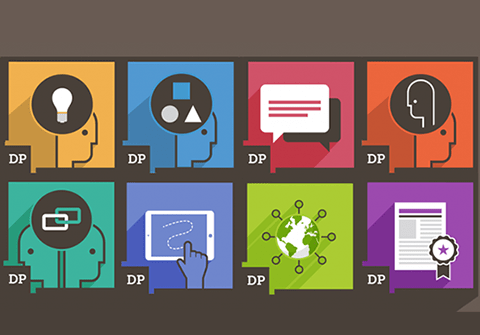
6 Categories of Deeper Learning Skills for Education Leaders
By: Karen Cator. It's essential for education leaders at all levels to understand, articulate and model deeper learning skills. The role that micro-credentials play when it comes to teacher expertise in deeper learning skills and ways education leaders can develop their skills in six different areas.
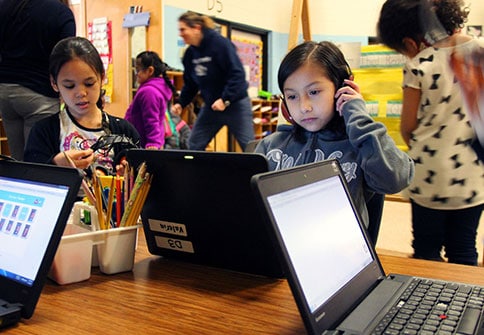
The Path Forward: Broader Aims, Better Measures, Supported Educators
Over the last 90 days we’ve considered many of the big issues facing US K-12 in these 30 posts.
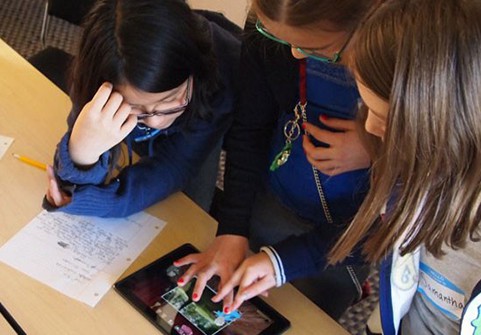
4 Lessons For Today’s Education Leaders
By: Karen Cator. Digital Promise's League of Innovative Schools is working to close the Digital Learning Gap by designing new ways to engage students in deeper learning experiences. When selecting schools and districts for participation, strong leadership was a "must-have" criterion.
Path To Personalization: Better Models & Better Tests
New developments will mean a gradual reduction in the size of and reliance in heavyweight summative assessment to smaller, less frequent tests that check the validity of local assessments.
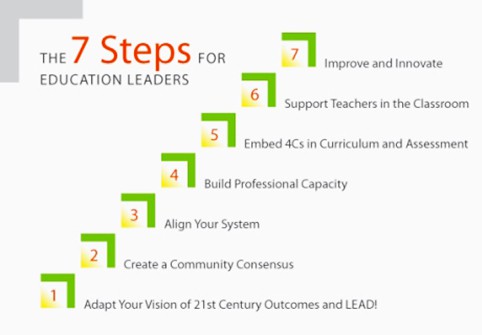
EdLeaders for the 21st Century
What do education leaders of the 21st century look like? They embody the same 4 C's that are also critical for students to build their 21st century skills: creativity, collaboration, critical thinking, and communication. 21st century ed leaders use the 4 C's to problem solve, provide visionary leadership, and transform schools and institutions.
GenDIY Profile: Mikaila Akeredolu
By: Mikaila Akeredolu. From selling the first generation of iPhones to developing iOS apps, a GenDIY story of skilling up, following a passion, and seizing opportunity.
Spotlight on Math: Strategies for Addressing the Most Challenging Math Standards – Modeling
By: Mark Ellis. In math, a model is a representation of a real-world object or situation and according to data collected from 750,000+ students using i-Ready® Diagnostic & Instruction, modeling is one of the most challenging math domains. Here are classroom activities and steps to teaching modeling for educators.