

Archive
component:how.learning-experiences
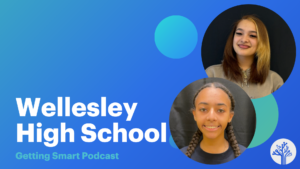
Wellesley High School Students on Reimagining School for 2040
Wellesley High students reimagine school for 2040 through project-based learning, CTE, collaboration, and student voice.
Responsible Inference Engines: Safeguarding Students with Learning Differences in the AI Era
The forthcoming brief Prioritizing Students with Disabilities in AI Policy (EALA/New America) highlights a critical reality: 73% of students with disabilities use AI for coursework, and 57% of special educators use it to draft IEPs. Yet, 0% of AI-based interventions in a 2025 systematic review rate as “Low…
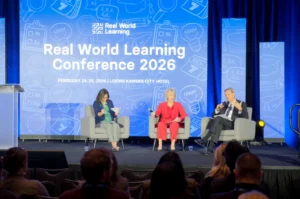
In Kansas City, Real World Learning Finds Champions on Both Sides of the State Line
Real World Learning unites Kansas City educators and employers to expand Market Value Assets and prepare students for joyful careers.
Knowledge is No Longer Enough: Why Experience and Wisdom are Education’s New Priorities
Explore the power of experience-based learning in cultivating wisdom in the next generation amid information overload.
A Call to Action for AI to Promote Mathematical Reasoning
AI math tools should infer student reasoning and guide conceptual change—beyond “show-and-tell” personalization.
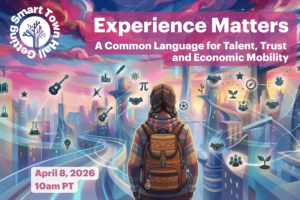
Town Hall: Experience Matters
In this town hall, Getting Smart’s Mason Pashia and Education Design Lab’s Meghan Raftery discuss the findings of their collaborative report, Experience Matters, which explores how work-based learning experiences can be better designed, documented, and communicated across education and employment. The conversation centers on a shared framework built around…
When Reality Meets Possibility: Inside the Ecosystem Lab
Learner-centered ecosystems are already emerging—Ecosystem Lab helps leaders connect partnerships and pathways across communities.
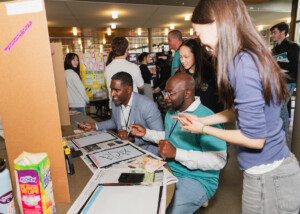
Designing for Belonging: Lessons from Districts Building What Technology Can’t Replace
Discover how districts are wrestling with what AI can't replace, prioritizing human skills like belonging, judgment, and connection through systemic redesign.
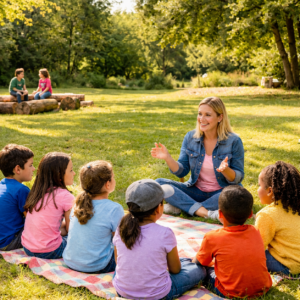
Can’t. Will. Did.: How One Teacher-Mountaineer Is Bringing Social-Emotional Learning Outdoors
Teacher-mountaineer Kimber Cross brings SEL outdoors with “Can’t. Will. Did.” and Summit Kids—stories built on CASEL skills.
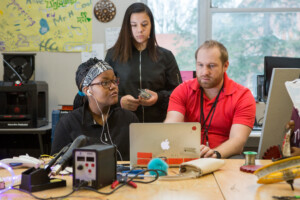
AI Literacy is Not Tool Mastery: How to Build Sustained Educator Capacity
AI literacy isn’t tool mastery—educators need sustained, human-centered professional learning to build confidence and capacity.