


Archive
component:how.learning-experiences

The Shift to Digital: District, School, and Program Exemplars
This afternoon I moderated a Digital Learning Now session featuring three exemplars: Mooresville, KIPP Empower and Teach to One.

Reading Curriculum: Critical Thinking & Creativity for Understanding
As teachers, we struggle with the mundane repetition of the reading process that we involve our students in given many of the current curricula that are available. In some instances, we may supplement that curriculum with a book that we believe our students will enjoy, many of which are recommended by the students or that we see them reading every day once their “work” is done. We then give the students a study guide and assign a chapter to read each day, and may even give them the option to complete a few short answer questions in their reading journal.

Tools to Boost Creativity, Critical Thinking, Community, Communication & Character
Good schools have a common intellectual mission. They prioritize, encourage, measure, and discuss important outcomes. This week we had the privilege of spending time with educators at Valley Christian Schools in Cerritos, California. At VCS, the 5Cs translate their mission into practice.

College Board Improves AP Exams & Supports For Deeper Learning & College Readiness
College Board , the longtime leader in college credit opportunities in high school, is changing its Advanced Placement (AP) approach to emphasize depth over breadth, improving formative assessment, and adding an integrative experience.
Answers For & Lessons From Critics of Competency-Based Learning
I'm trying to square two things that happened last week. The Nellie Mae Foundation issued a great report called Making Mastery Work: A Close Up View of Competency Education (MMW), a visit to 11 cool schools. The other event was a Facebook dialog with unschoolers that think competency-based schemes are more testing in a fancy package.
5 Simple Ways to Inspire Innovation in 5 Days
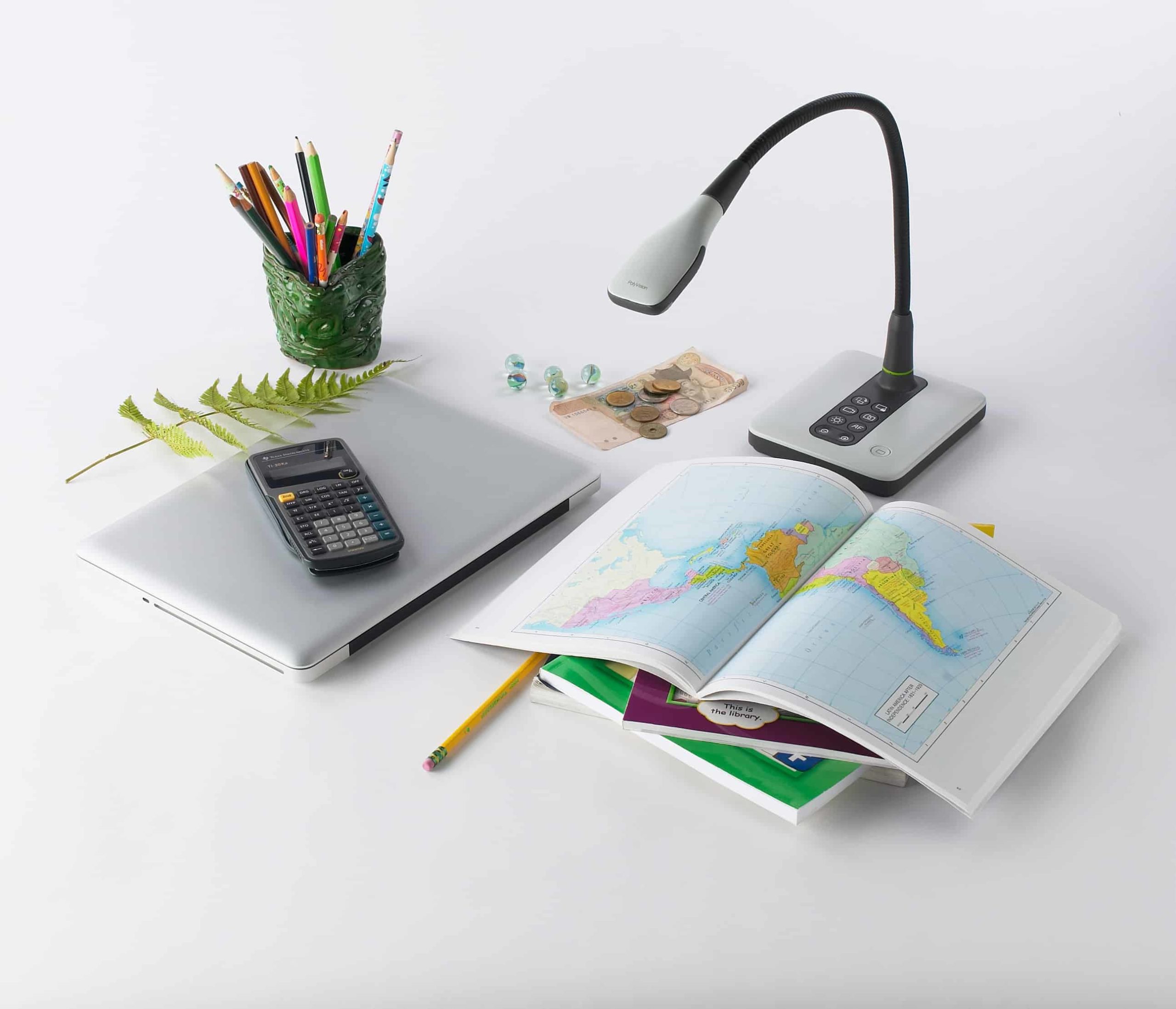
Schools are changing, from the physical layout of classrooms, laboratories and libraries to the way educators and pupils share information. Students are entering with a heightened digital acumen and lowered attention span, while educators feel pressure to deliver positive test scores, increase collaboration, and drive engagement. Today’s changes in schools suggest that it’s more important than ever to make every space an active learning space– spaces that help students connect, get inspired, and achieve deeper learning and better results.
Q&A: Teacher Turned Game Designer Shares Lessons From The Biggest Story Problem
The Biggest Story Problem, a independent documentary film aimed at examining the decline in math proficiency in the U.S. with global solutions, releases this year. The team at Imagine Education, a multimedia group capturing stories in education, dove into the decline of math learning in schools across the country.

Authentic Learning At Tech Forum-Austin 2012
Recently, I posted an entry here on authentic learning. In that post I defined authentic learning as learning that involves real-world tasks and problems as opposed to school-specific tasks or problems, such as learning how to put a heading on a paper or how to outguess a test writer. Students seem to enjoy work that is authentic.

Why Haven’t Districts Adopted Blended Learning Faster?
Consultants asked, "Why haven't districts adopted blended learning faster?" I answered, "Because it's complicated."
Wikispaces For Designing Common Core Activities
Are you wondering where to begin to adopt the Common Core ELA standards? While there are many individual standards to sift through, it’s important to take a step back and look at the big picture to gain an understanding of the importance of the teacher’s role in designing learning experiences to facilitate a more active classroom that supports students as producers.