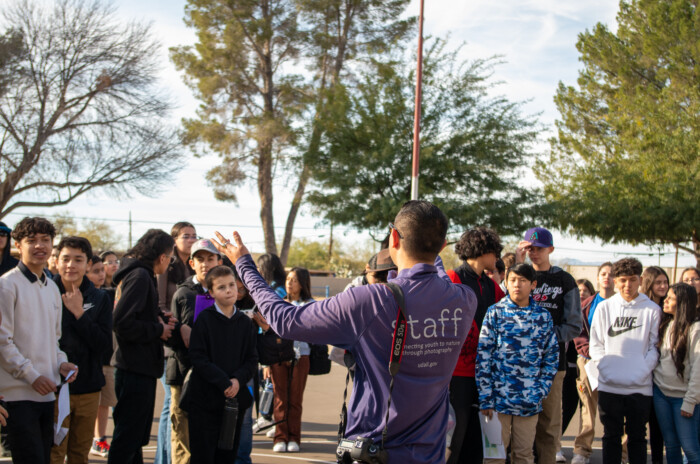
Career & Technical Ed
Student-authored pieces, learner storytelling, student voice.

This podcast highlights developing trends in K-12 education, postsecondary and lifelong learning. Each week, Getting Smart team members interview students, leading authors, experts and practitioners in research, tech, entrepreneurship and leadership to bring listeners innovative and actionable strategies in education leadership.
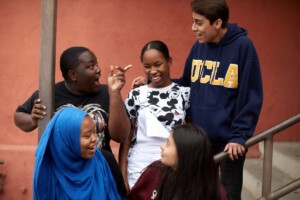
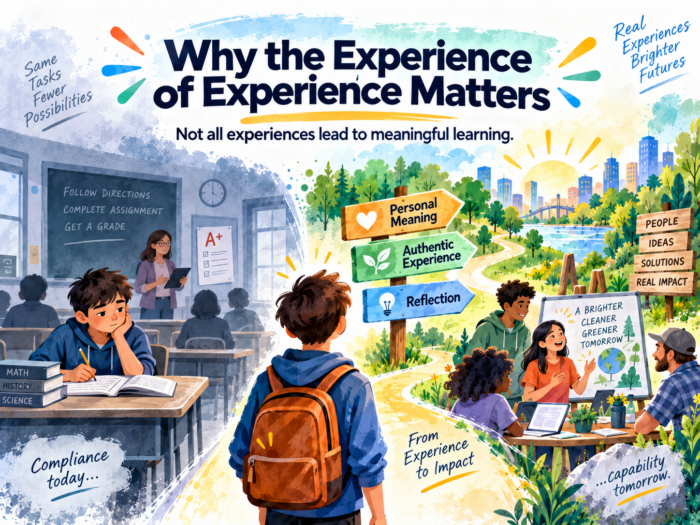
What does it look like when a school is genuinely designed around the lives learners are living, not the regulations they must comply with? In this new piece from Sarah Bishop-Root and Lindsy Ogawa, the Da Vinci Schools network in California shows how policy can be a tool for possibility and a source of fragility at the same time. Through the story of Da Vinci RISE and its students, this piece offers education leaders a grounded, human-centered lens for understanding the gap between what our best schools are trying to do and what our systems are designed to support.
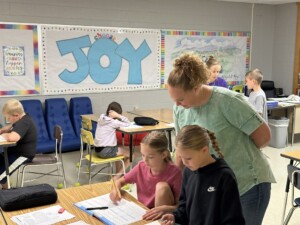
What if the most transformative idea in education right now has nothing to do with how big your school is? In this piece, George Philhower, superintendent at Eastern Hancock Schools and co-founder of the Indiana Microschool Collaborative, makes the case that the microschool mindset is a philosophy any school can adopt. From grading practices to flexible pathways to joy as a design principle, this is a grounded, visionary read for every leader asking what school could look like if we built it around learners instead of legacy systems.
When a student completes a writing test in a locked browser, we learn what they can do alone. But the world asks something harder: can they use AI without being used by it? In this sharp and timely essay, Eric Tucker argues that assessment for writing, speaking, and listening has not kept pace with how communication actually works, and maps a practical path forward. Education leaders navigating AI policy, curriculum design, and high-stakes testing will find both a diagnostic and a blueprint here.

System transformation rarely fails because of a bad strategy. It fails because the relationships needed to sustain it were never built. In this piece, Rebecca Midles and Nate McClennen draw on real district leaders to show what coalition-building actually looks like when the messy middle arrives. From a rural Michigan superintendent who started with the willing to a Kansas City microschool that put students in the design seat, this is a practical and deeply human look at what makes change last.