

Archive
component:what.competencies

One Goal, Two Journeys: The Role of Community and Workforce in Defining Graduate
America’s education system was a groundbreaking effort to help a growing nation thrive in the 19th century. Now, 200 years later, the world has changed; the horizon looks drastically different. Collectively, we need to redesign our education system to enable all of our children — and, by extension, our…

Next-Generation Durable Skills Assessment
Next-generation assessments of durable skills are crucial for validating competencies across educational and professional contexts, using AI and VR.
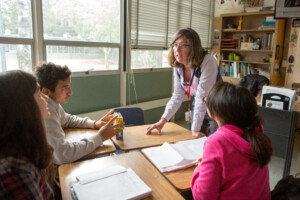
6 Ways State Policymakers Can Build More Future-Focused Education Systems
State policymakers can play a key role in shifting education systems to be more learner-centered and future-focused. Here are six ways they can get started.
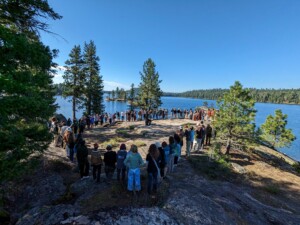
Designing Competency-Based Models for Students by Students
The Growth Framework from One Stone is a great way to ensure quality no matter what your school's growth plan is.
New Pathways Handbook: Unbundled
This section of the handbook provides examples and best next steps to get system leaders started on their Unbundled Learning journey.

Sydney Schaef on The Future9 Competencies
On this episode of the Getting Smart Podcast Rebecca Midles is joined by Sydney Schaef at reDEsign to unpack the Future9 Commpetencies.
The Content Every High School Student Should Learn (But Doesn’t)
In many high schools, the traditional course sequence and graduation requirements remain stagnant. For future-ready students, we need to update these content areas..
Self-Portrait Gallery
The Self-Portrait allows learners of all ages to describe their growth around the applicable portraits, strengths, career interests, extra-curricular interests, approaches to learning, and reflections.
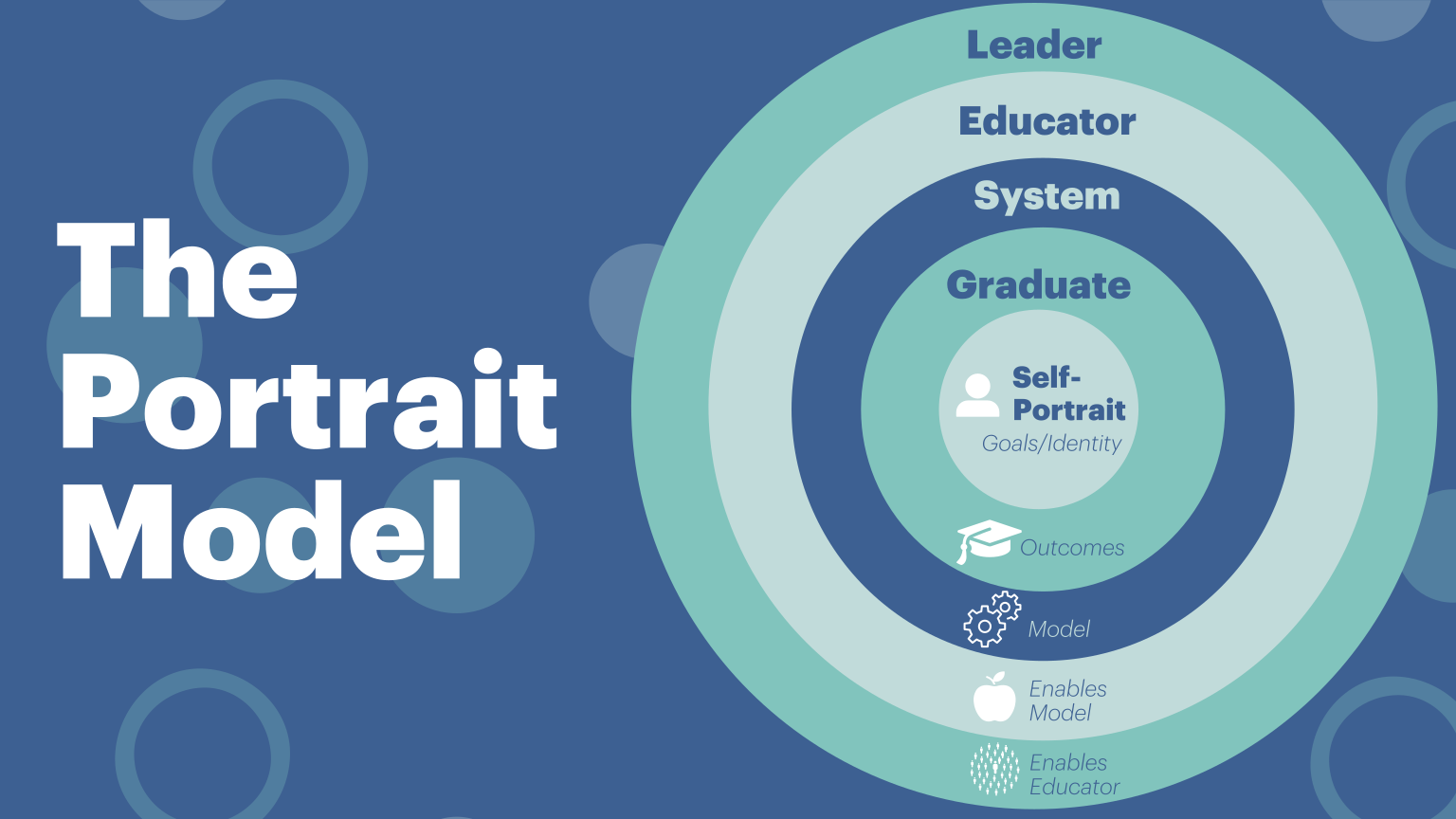
The Portrait Model
A “Portrait” framework helps leaders implement a new collective re-design vision. This publication highlights the Portrait of a Learner, the Portrait of a System, the Portrait of a Leader, the Portrait of an Educator and a Self-Portrait.
From Classroom to Adulthood: The Importance of Talent Development from an Early Age
Instead of focusing solely on passing state assessments, remediating to address gaps, or identifying students for advanced academic programming, schools must become a place where all children can develop their talents.