

Archive
component:what.competencies
Personalizing Post High School Readiness
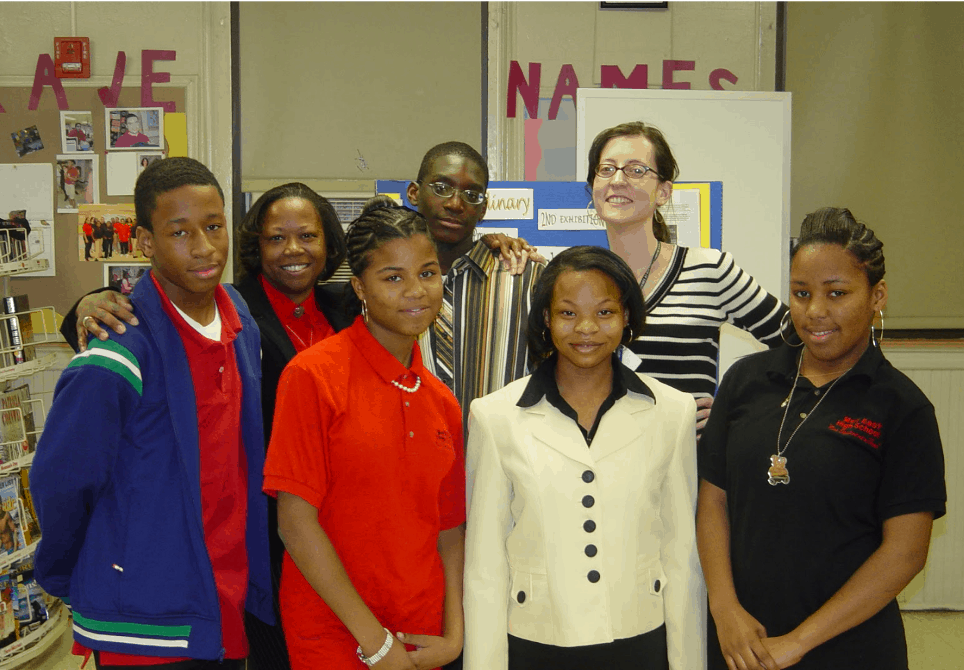
By: Jennifer Ghidiu. The question of how to best set up our students for success in life is not a question of getting them access to college. The most important question is what individual pathway is best for each student.
How Can You Truly Meet Students Where They Are?
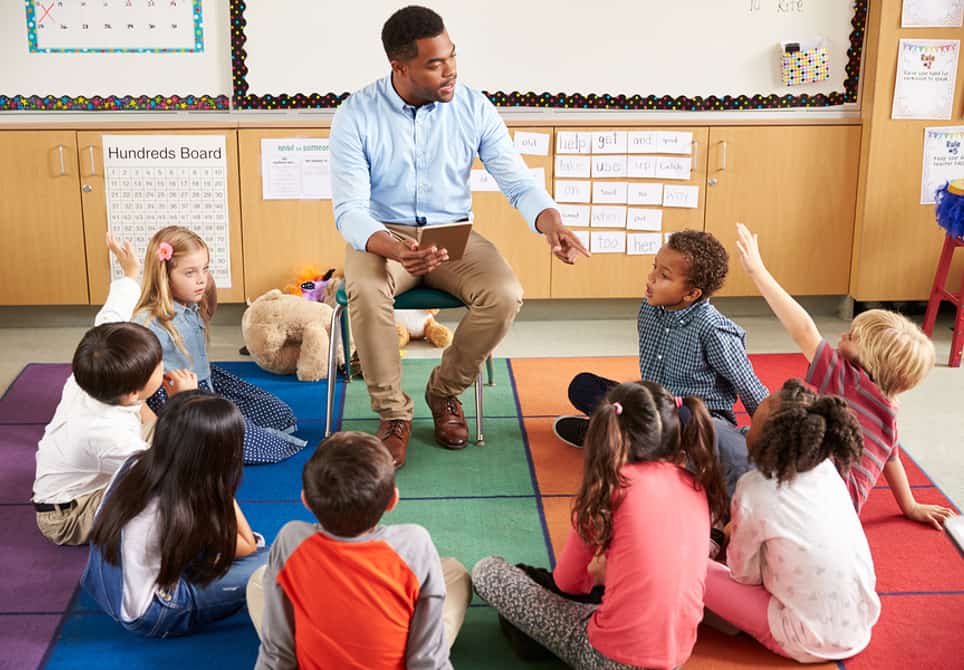
By: Karla Phillips. Meeting students where they are in education may mean redesigning schools away from an age-based grade level system into a competency-based one.
Five Things for Big Districts to Think About
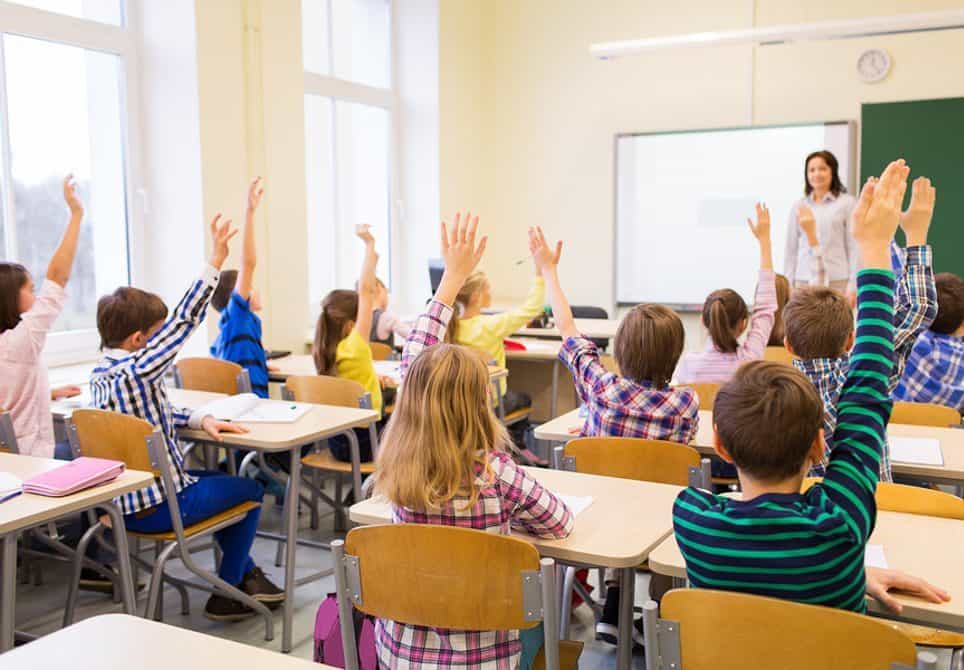
After speaking with district leaders, here are five thoughts on how big districts can move forward toward personalized, competency-based education.
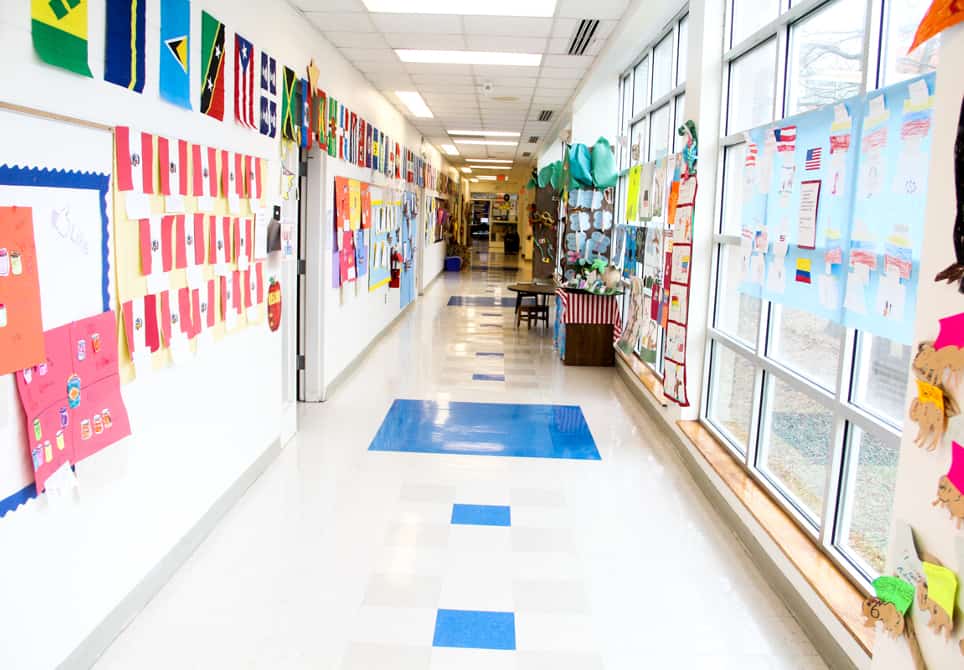
5 Best Practices to Globalize Your School
By: David Young. If global learning opportunities are core to being college- and career-ready, why are they not offered widely in K-12 classrooms? How do we provide global learning to more K-12 classrooms to equitably prepare all students? Here are five real examples to follow.
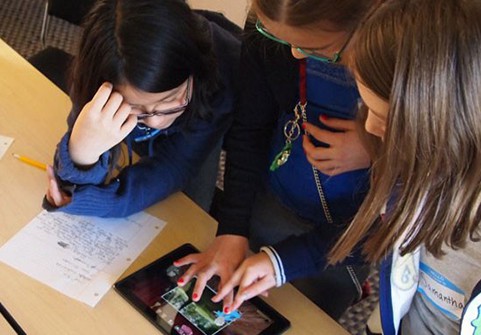
What to Look For: A Shared Vision of Powerful Learning
Broader aims and powerful learner experiences means a new list of things to “look for” in a learning environment. Over the next couple of weeks we’ll be sharing the five “look fors” in digital learning environments.
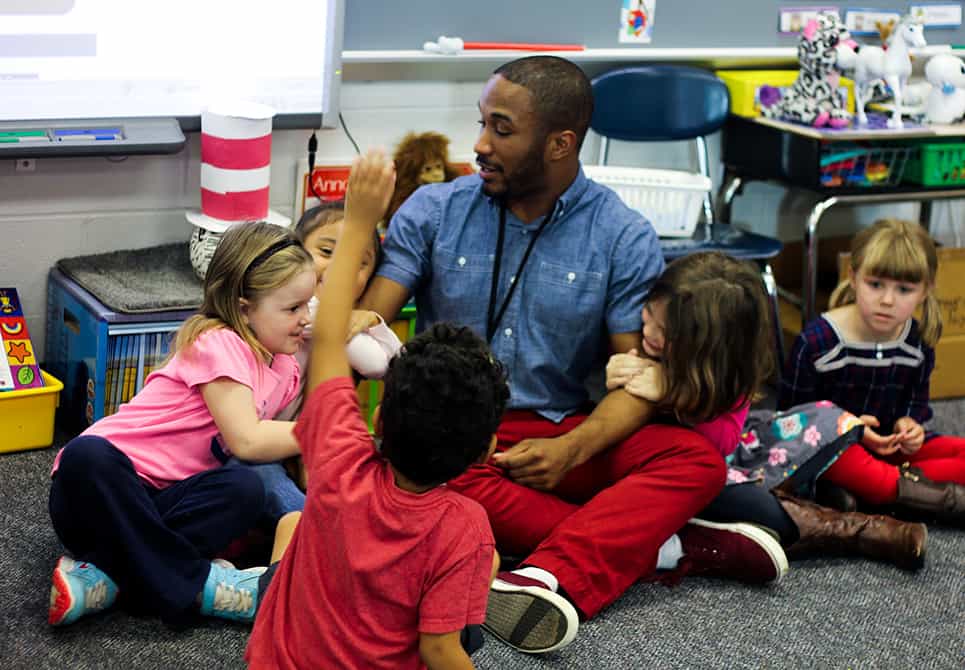
Globally Competent Students Require Globally Competent Teachers
To efficiently and equitably develop globally competent students you must first develop globally competent educators. New Century International Middle School is an example of a school-wide global education approach that works.
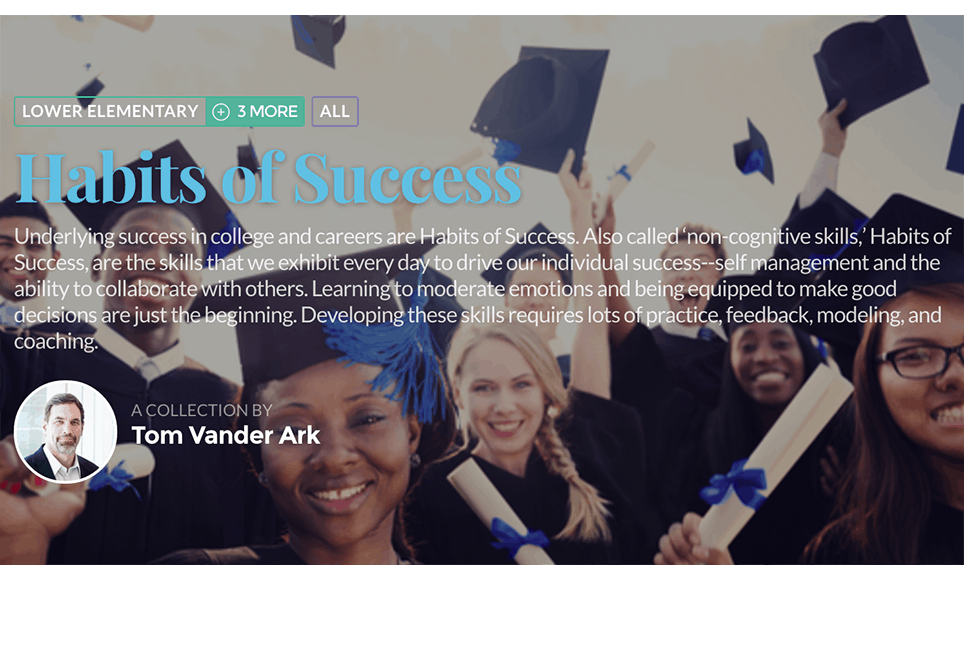
Habits of Success: Tools From Innovative Schools
Leading teacher development platform Bloomboard recently launched Collections of teacher resources. Collections are bite-sized resources that help educators learn how to put theory into practice. Here is a Collection on Habits of Success.
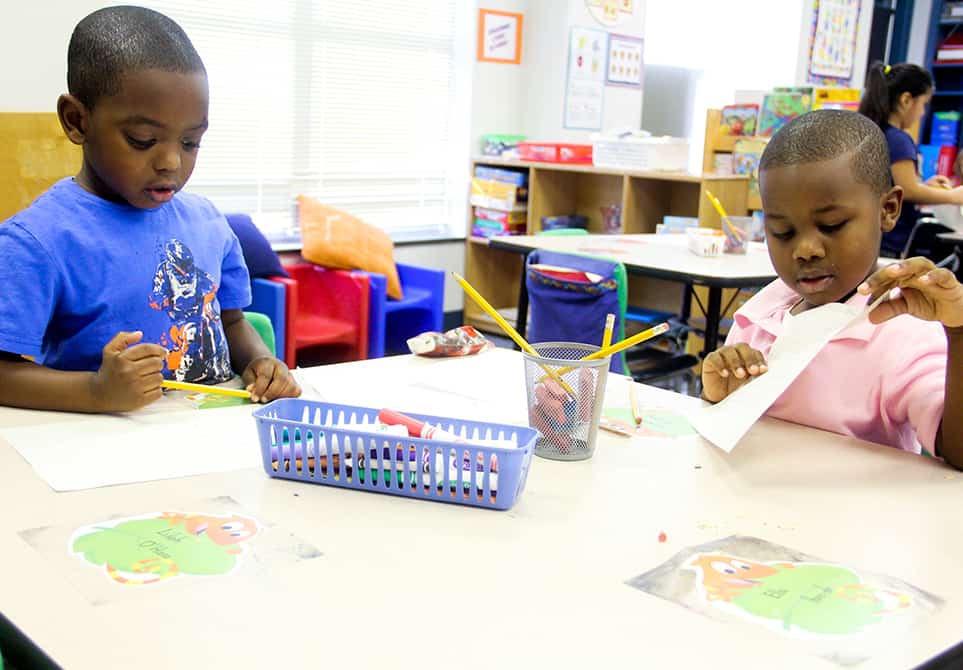
How to Prepare Globally Competent Students
By: Anamaria Knight. If you are interested in a few more instructional strategies that can be used across disciplines to support students in developing key global competence skills, here are some examples.
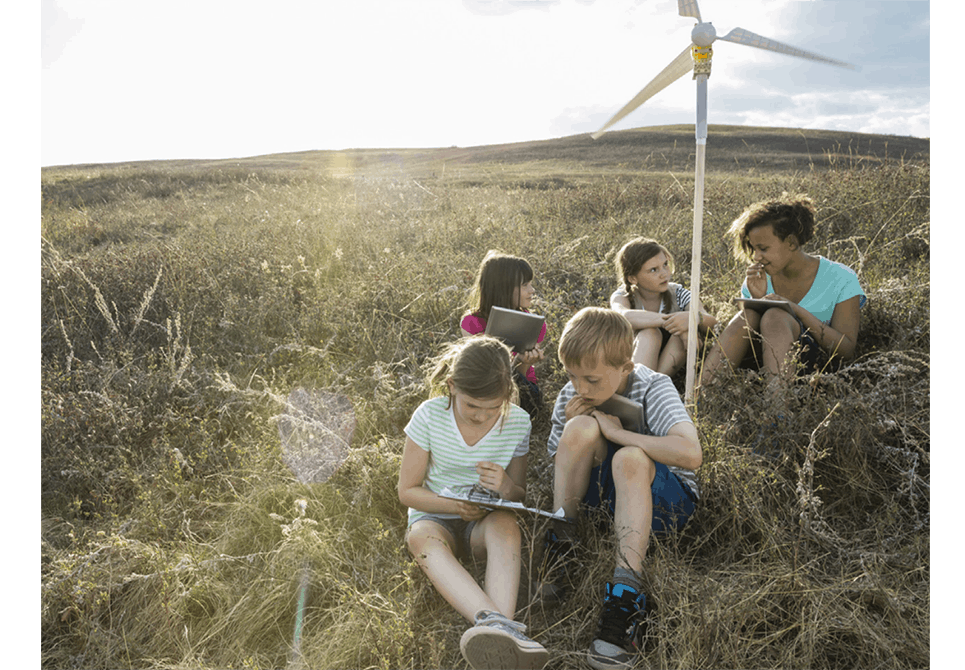
Defining and Differentiating Personalized Learning, Blended Learning and Competency Education
iNACOL has taken steps to define key terms in the field to generate shared meaning and challenge misconceptions and misunderstandings. 'Mean What You Say: Defining and Integrating Personalized, Blended and Competency Education' describes terms and their key nuances in greater detail.
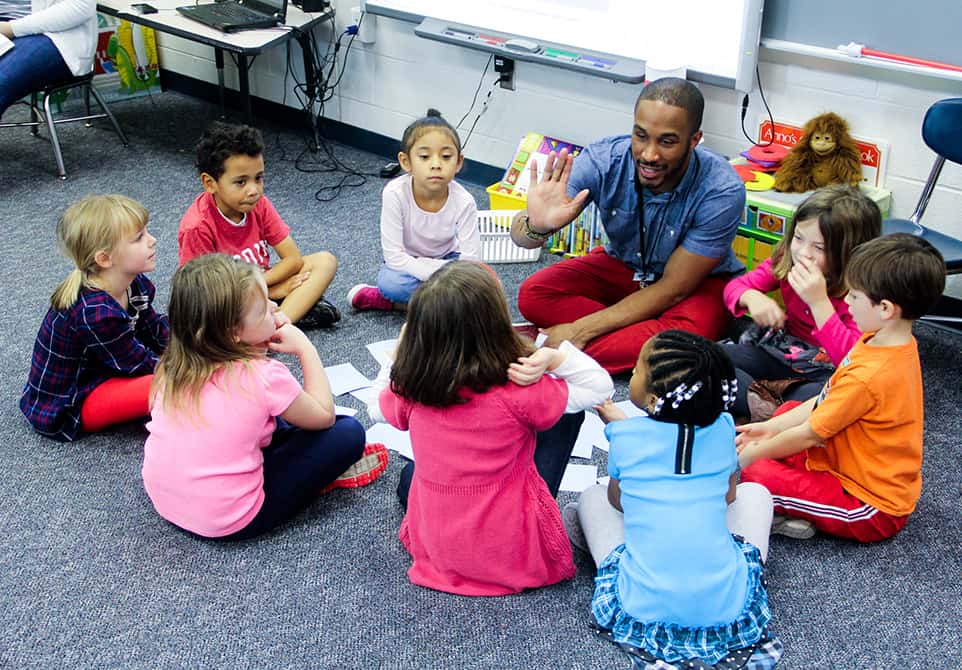
What do Globally Competent Students Look Like?
By: David Young. In education, global competitiveness can be characterized as the set of skills and factors that support individuals’ personal and professional productivity in their communities and in the world. Being globally competitive today requires developing global competence.