

future of learning
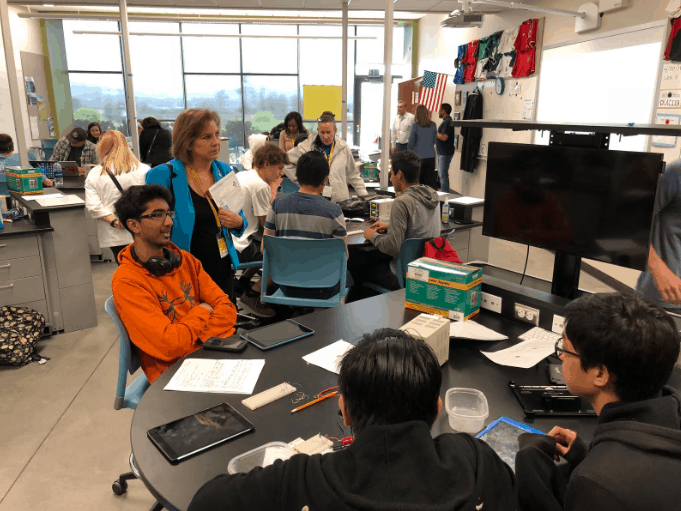
Show What You Know: The Shift to Competency
Competency-based school models have the potential to better prepare young people for the innovation economy. But what is competency-based? How do we get there? What are the risks?

Defining (and Driving) Collaboration
By: Jordan Lippman and Janine Perri. In today's world, both employers and educational institutions place a high value on soft skills that are transferable across professional, academic, and social situations. One of the most frequently cited skills is collaboration.
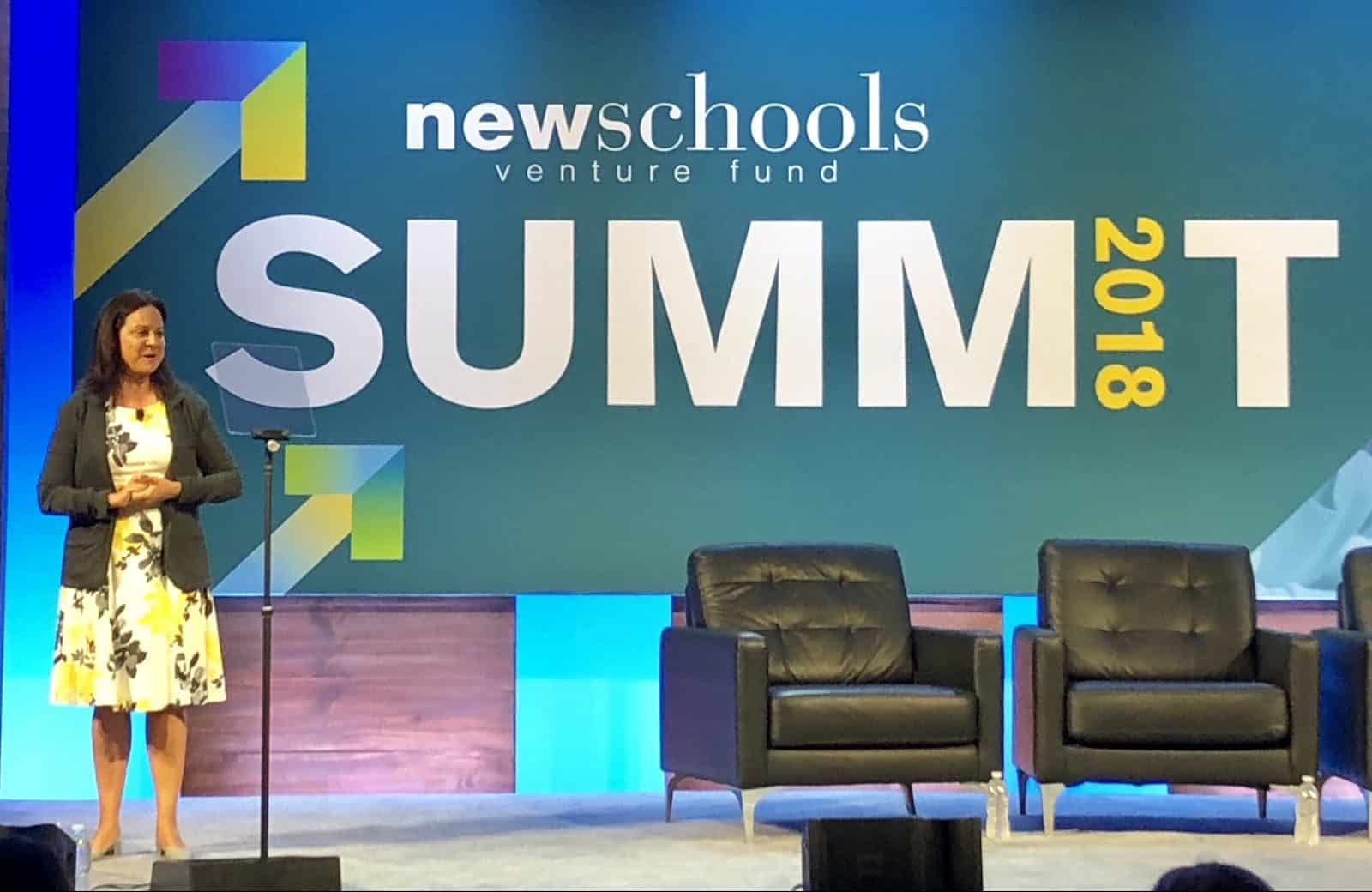
Equity and Innovation at NewSchools Summit
With a call to leverage diversity for innovations in learning, Stacey Childress opened the 2018 NewSchools Summit (#NSVFsummit) in San Francisco. The national nonprofit catalyzes new schools, encourages better EdTech tools and develops diverse EdLeaders. Tom shares highlights from the summit and more.
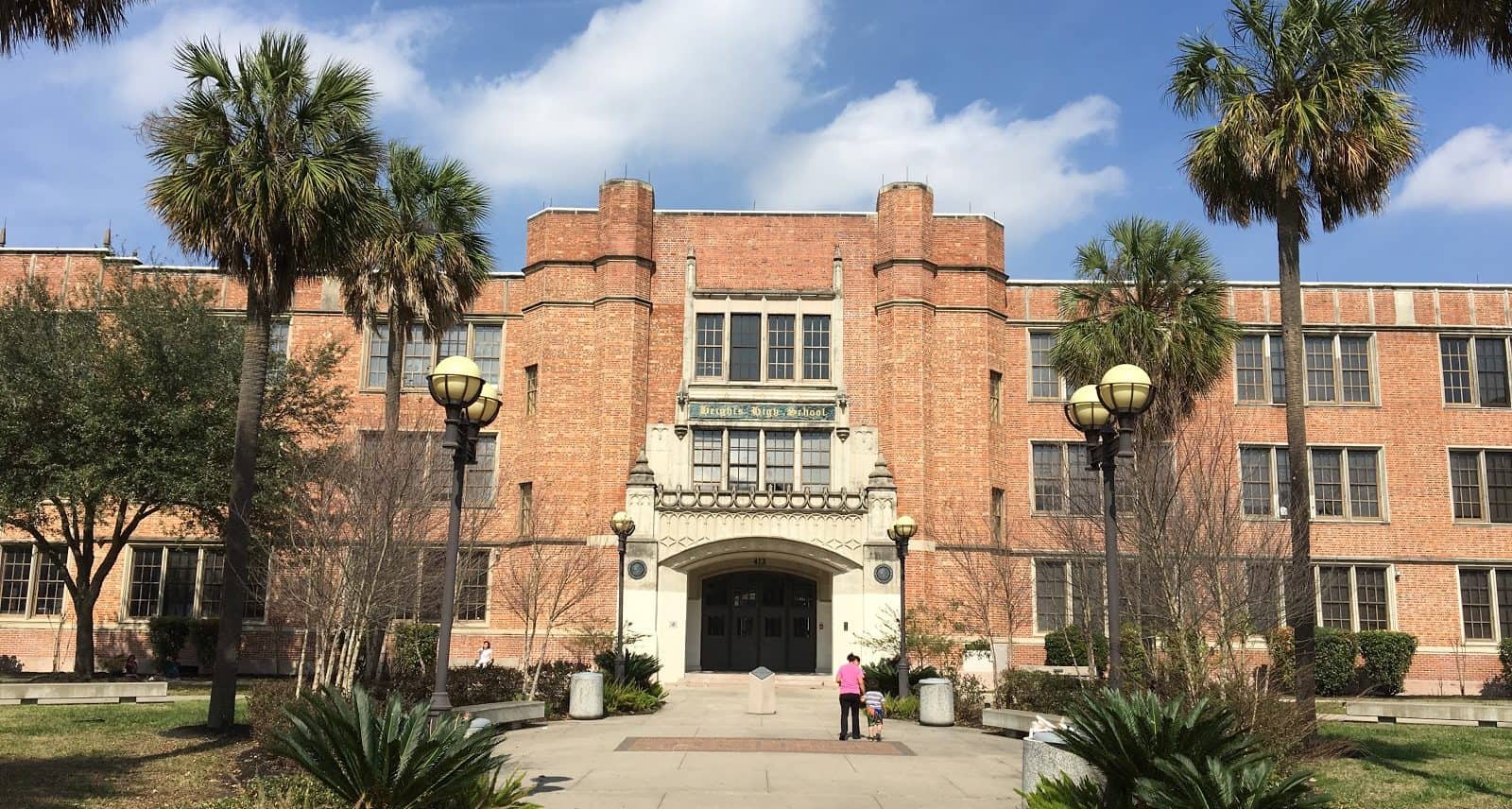
Rethinking the High School Credential
Most American youth don’t get what they need from high school. There are lots of reasons, but two root problems are how we’ve defined the finish line and how we communicate success. Here, we look at the current high school credentialing system and the questions we think need to be answered to drive progress.

Building the Cognitive Muscles to Thrive in the Automation Age
The Information Age was a four decade long global sprint to incorporate information technology; the World Economic Forum calls it the Third Industrial Revolution. It changed how we live, work, play, and, just in the last few years, how we learn.
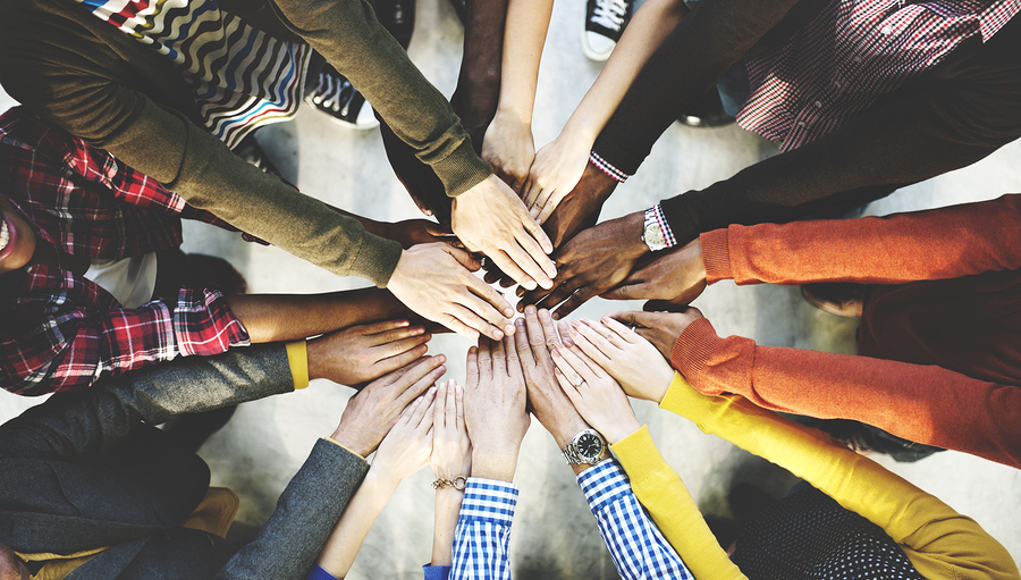
Sharing: The New Superpower
As a species, we’ve reached a point where we’re good enough at production to feed, clothe, and connect everyone on the planet--we just haven’t figured out how to share the bounty of our production, or how to do it sustainably. How we share will shape the next 50 years of human existence.

Credentialing America: How Impact Investing Can Help
For individuals, the right kind of education can boost employability. For communities, educational attainment correlates with better social, economic and personal outcomes for citizens. How can we spread access to high-quality credentials?
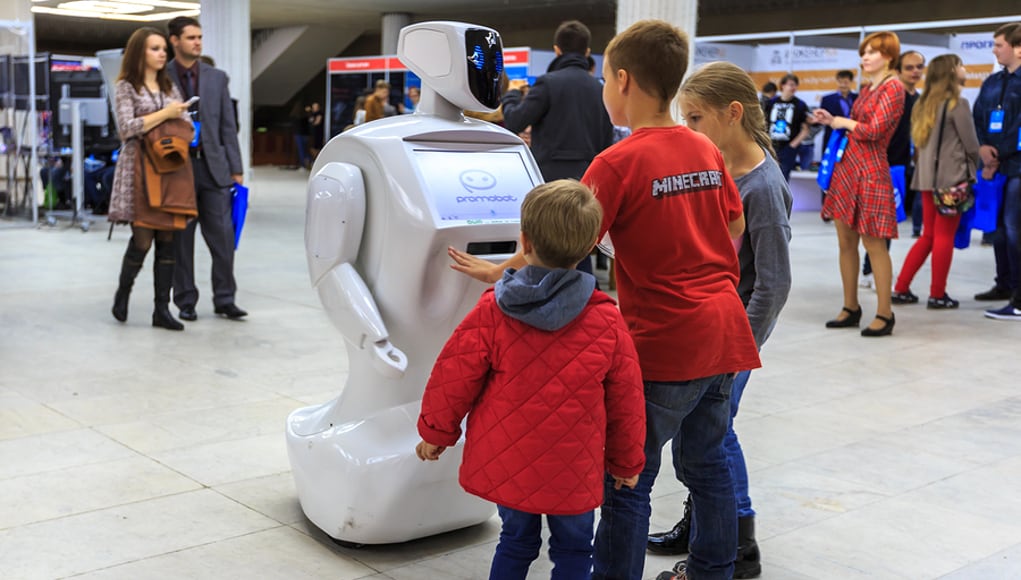
Now That We’re Augmented, What Should We Learn?
The new age of innovation (often referred to by the WEF and others as the Fourth Industrial Revolution), in which we are all partners with smart machines, demands three new developmental priorities. Here, we provide an overview of what they are, and how we can focus on them.

Building on the Power of Digital Badges to Create Future-Ready Learning and Job Experiences for Students
By: Connie Yowell. Badges open up a world of learning that many students previously did not have access to. Through badging students can take their learning outside of the school building, unlocking a world where they can learn skills that are of greatest interest to them or their future career, at a time and place that best suits their needs.

7 Real-World Issues That Can Allow Students To Tackle Big Challenges
How can we creatively collaborate, critically think and communicate in ways that will make our world a better place to live? Letting our students practice thinking about and working on these seven big issues can present hundreds of relevant challenges that can be a big step toward that future.