

Career & Technical Ed
Generation Z, that group born between 1992 and 2010, is making a greater impact on society than any generation in the past. This group is the first to be born in the age of the Internet. They do not know a world without it. Thanks to the ubiquity of high-speed Internet, smartphones, and tablets, their world is an on-demand, information age that they are actively helping shape before they’re even teenagers.
If I was hosting an innovation conference focused on secondary education, here's seven things I'd include: a design prize, interesting breakouts, virtual field trips, lessons from workforce development, cool components, and a design studio.
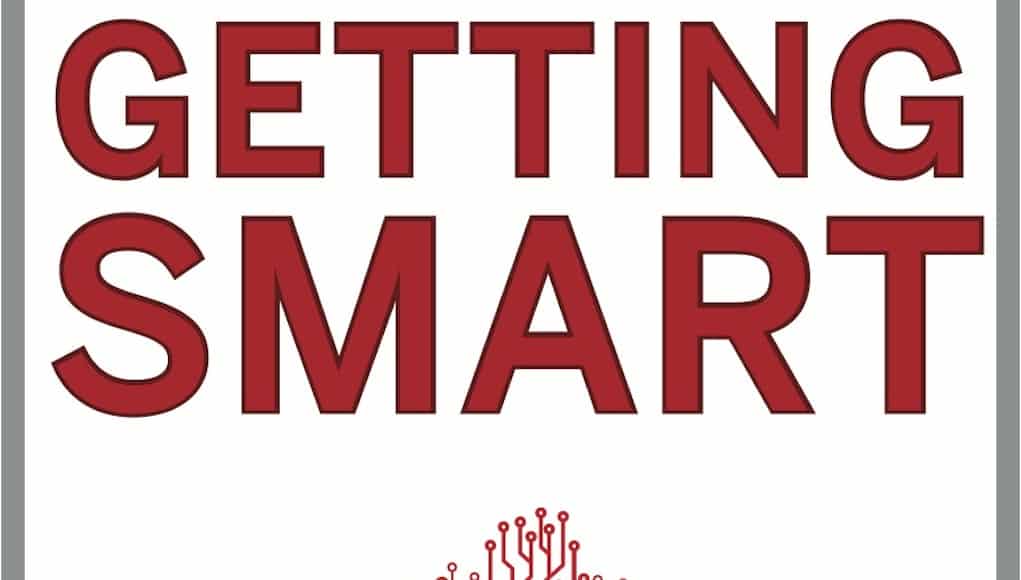
A Getting Smart book that makes the case for a blend of online and onsite learning, shares inspiring stories of schools and programs that effectively offer “personal digital learning” opportunities, and discusses what we need to do to remake our schools into “smart schools.”
Register for Tom Vander Ark's upcoming webinar "The Promise and Potential of Personal Digital Learning," a discussion on how schools are incorporating innovative technology to boost achievement and prepare students to thrive in the idea economy of the future, Friday, November 4, 2011 at 1:00 - 2:00 p.m. EST.
Steve Jobs passing and the outflow of feelings says this is more than a mere corporate titan's death. In the flood of remembrances, we can see how different he was from many technology-industry peers. Although he never turned his relentless design sensibility on the building of full learning environments, there are lessons we can take away for what a “Jobs-like” focus in learning would be like.
Next Generation Learning Challenges (NGLC) announced today the availability of $12 million in grants for comprehensive models that apply technology to personalize students' learning experiences as a part of its Wave III challenge.
In her Q&A, Dr. Mazur talks about the importance of DGBL in developing new learning strategies and assessment models that engage students in learning skills for the 21st century. She articulates, however, that while these new, emerging technologies are widely successful and effective,, the current educational system in place prohibits real growth in the games-for-learning industry. She says we need to move away from standardized testing and create new provisions for teaching that welcome and support DGBL in the classroom.
I saw the future of high schools yesterday. It wasn't about cool digital aps, laptops, or talking to other young people on the other side of the world. It was re-engineering schooling around young people and their lives. Only in its second year,ACE Leadership High School, a charter school in Albuquerque, has the key to to unlocking our young people's hearts and minds.
I think I have just glimpsed the future, or at least what could be the future, of public education. I’m talking about the effective use of today’s technology to enhance learning, or what insiders are calling ‘blended education.’ Michael Horn, a co-author of Disrupting Class, provided a definition: Blended learning is any time a student learns at least in part at a supervised brick-and-mortar location away from home and at least in part through online delivery with some element of student control over time, place, path, and/or pace.
Adults' enduring perplexity about teenagers are captured in quotes by Aristotle and Shakespeare in The New Science of the Teenage Brain, the cover story of the October National Geographic. The article by David Dobbs explains how young people's lives are shaped by the mind-blowing reorganization occurring in the brains of adolescents between the ages of 12-25. The article is fascinating and worth reading the entire piece. It's also a fabulous tool for us to use to get policymakers attention to why so many policies and programs like Scared Straight, lock them up, and zero tolerance don't work. So after reading the article, spend a few minutes sending an email or two or a letter to the editor in your local paper.