


Posts by Guest Author

Say Hello to The Netflix Generation
By: James Cross. Today's students are the ‘Netflix Generation’ — they've grown up in a world where video is available instantly, on-demand, and on any device. With video now accounting for 43% of all online traffic, forward thinking colleges and universities are looking to explore the rich educational possibilities video can offer.
Solving Global Challenges with Cross Disciplinary Initiatives
By: Julie Keane, PhD. Global challenges can only be addressed by cross disciplinary initiatives that bring together science art and the humanities. We must cross these boundaries.
Education Camps and Their Contribution to Skill Development in Children
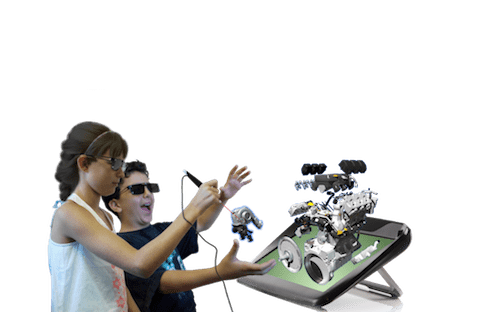
By: Carole Thompson. Educational camps offer intensive training in focused STEM areas like software programming, bio-engineering, pure mathematics, engineering and more to help your kid leap ahead of competition without taking away the joy of vacation time. They focus
Student Entrepreneurship in Action
By: Esther Wojcicki. What does it take to get students interested in learning entrepreneurial skills? I can tell you what doesn’t work---teaching to the test, which is unfortunately is a national obsession today. Testing does not lead to real world skills.

Choosing Excellent Schools – Not Charter Versus District
By: Don Shalvey. Too often these days in schools, if you support charter schools you are seen as against the school district or even against public schools. Or, if you are a supporter of the district, you are often seen as anti-charter and against giving educational choices to parents.
Why Harbormasters Are Critical to a City’s Ecosystem
By: Kristoffer Haines. There is no greater lift a city will realize for its children than the moment its harbormaster sets out to be the gravity for the creation of high-quality options.

Design Thinking: A Human-Centered Approach to Innovation in Education
By: Sandy Speicher. We tend to think first about the needs of the system and create solutions from there. But what if we looked first to the needs of people, and then designed ways the system could meet its goals by serving these needs? This is the heart of how design thinking gets to innovative solutions.
New Study Reveals Trends in Professional Learning
By: Jason Lange. A 2013 Australian study conducted by the government-funded Australian Institute for Teaching and School Leadership and the nonprofit Innovation Unit examined 50 high-performing corporations, educational institutions, and nonprofit organizations from around the globe to identify common features of professional learning experiences.

It’s Time: Connecting What Students Need & What Entrepreneurs Create
By: Stacey Childress. Pull mechanism refers to things like challenges, prizes, and advanced market commitments – ways of paying for innovations based on their actual performance. This in contrast to government agencies and philanthropists making upfront investments in design and development of solutions and then “pushing” them to (or some would say on) buyers and users. A key idea is that some sort of coordinated action on the demand side – in this instance from schools, districts, and states – will create compelling reasons for suppliers to behave differently, better, more responsively.
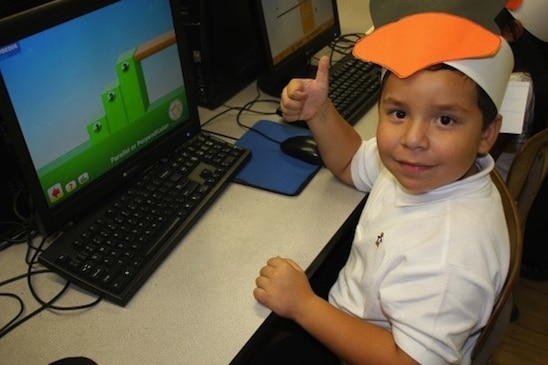
Got Game? How Play Enhances Learning
By: Delicia Sepulveda. For the past two years, I've had a hand in creating games that today reach hundreds of thousands of students, helping them learn math in a fun and engaging way. I get to see students playing with puzzles that I designed, and I get to experience first-hand the impact of these games on student learning.