

Archive: 2016

Why Schools Shouldn’t Go It Alone on Personalized Learning
By: Betheny Gross and Colleen McCann. While visiting schools we've observed that it's best for educators to find outside "thought partners" who can help them think through key decisions and a sound game plan for personalizing student learning.

Two Key Points for Understanding Imagination in Education
By: Gillian Judson. Imagination in learning is often misunderstood--thought of as more frill than necessity. We must realize the value of imagination in education, and how it can be used to make learning engaging for all students.

Changing University Culture to Transform the Student Experience
By: Catherine Georgeoff, Todd A. Hitchcock & Shane Keene. In order to create university environments that provide students with a positive experience both on campus and online, an overall institution culture change is needed. Here are three strategies to begin that transformation.

7 Ways to Build Better Relationships with Students
Taking the time to build caring relationships with students is key to success in the classroom, but this is often easier said than done. Here are seven ways I use to ensure my students know they are loved.
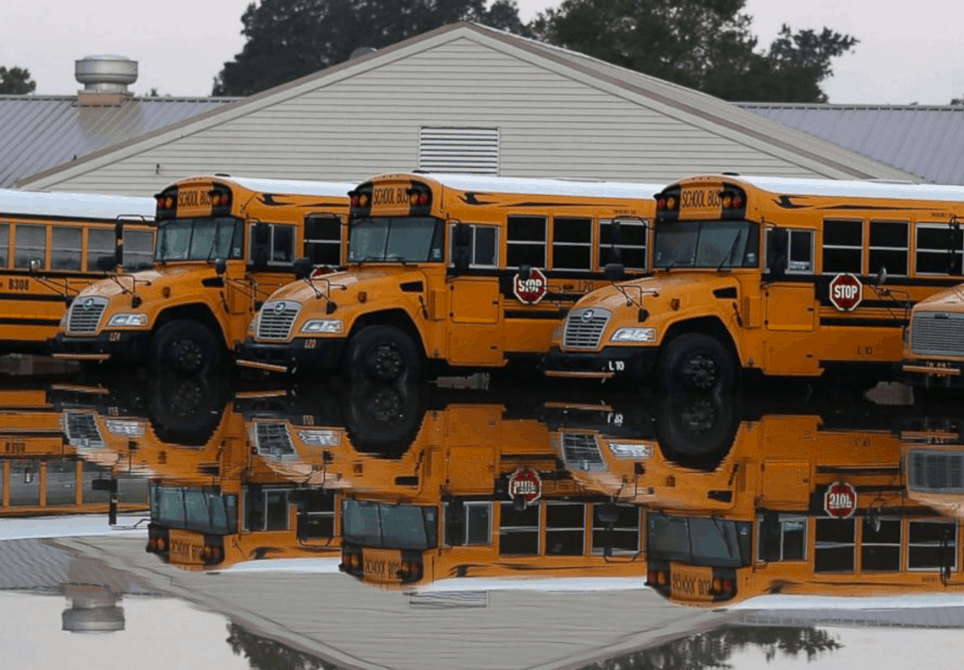
Online Learning: Support Through Disaster
After a tragic event like the Louisiana floods, something we often don’t consider is how to continue offering students options to learn while their city rebuilds. Here is how online learning can help.

Setting First-Year, First-Generation College Students on the Bridge to Success
By: Nicole Howard. Summer bridge programs fill in the gap of being college ready, helping first-year, first-generation or any student looking for extra support in a new environment start out on a successful path.

Preparing Teachers for Project-Based Learning
One important aspect of teacher preparation today is project-based learning. Here are five reasons we feel teachers should be PBL prepared and five key practices of a PBL teacher.
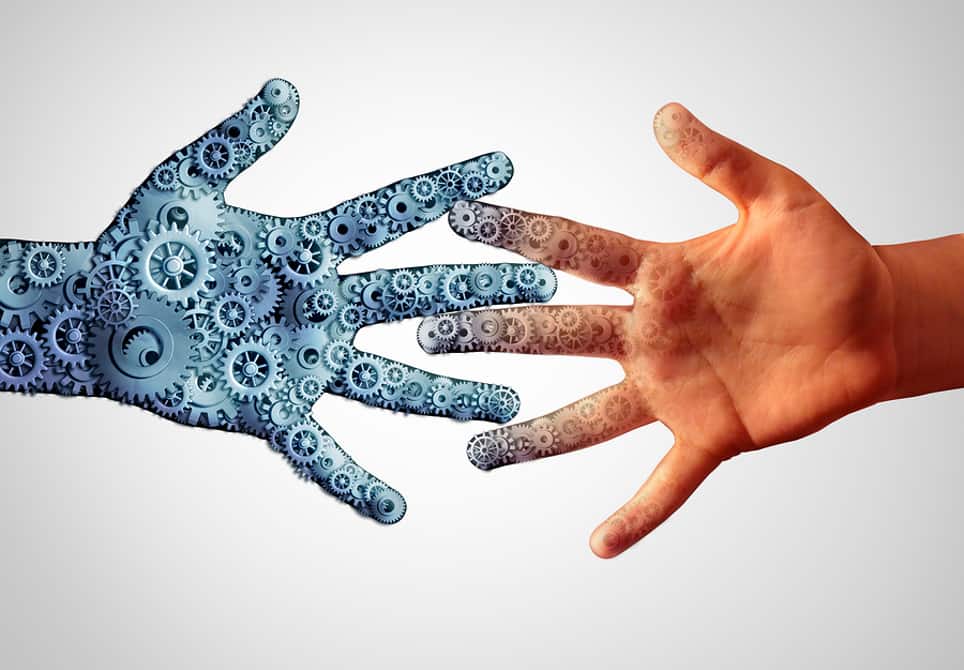
#AskAboutAI: Learning to See and Speak
Our new #AskAboutAI blog series is designed to encourage parents, teachers, mentors and advisors to talk to young people about the emerging automation economy, and the ethical and economic implications of artificial intelligence (AI).
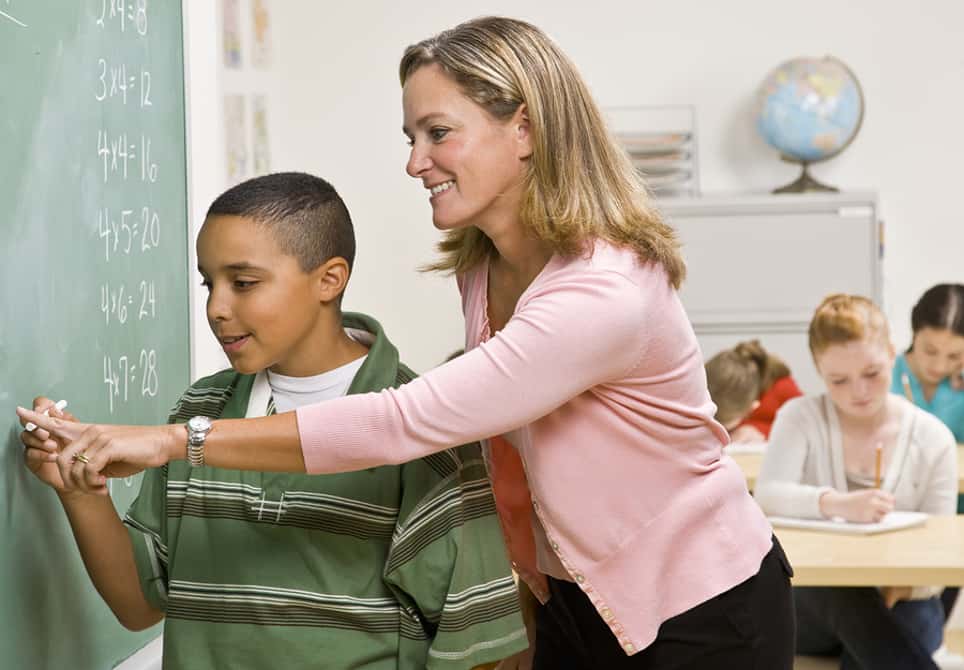
3 Small Steps Toward Creating a Flexible Classroom
For those teachers who want to dabble with Differentiation, but might not want to completely revamp their already effective classroom, here are three small steps toward creating a Flexible Classroom.
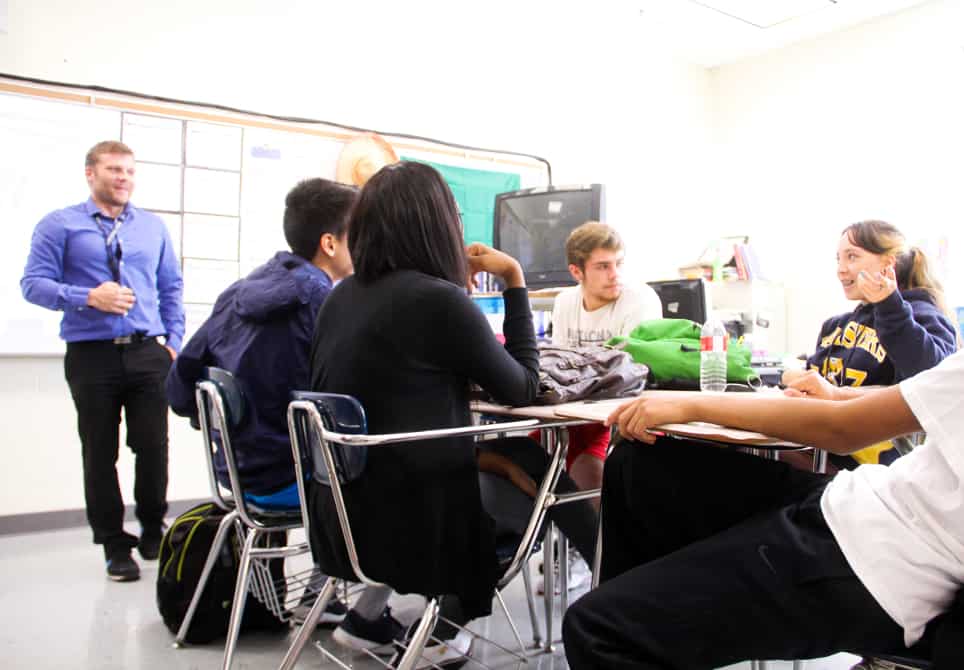
Modeling Mistakes and Creating Trust in the Classroom
By: Meriwynn Mansori. If we want to create resilient, capable, problem-solving students, we need to allow them to make mistakes that encourage them to learn and grow, as well as allow teachers to model learning through trial and error.