

Amy Klement on Equity and Imaginable Futures
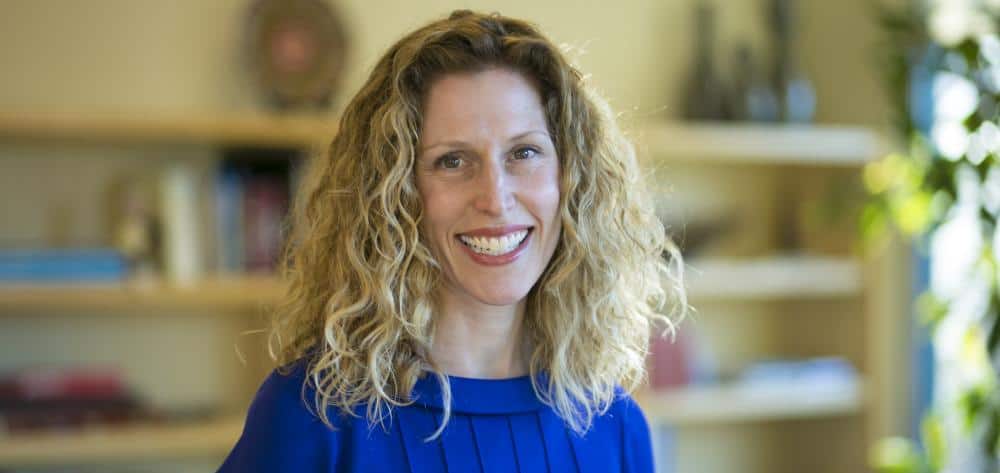
- Amy Klement
- Imaginable Futures
- Pierre Omidyar
- Omidyar Network
- Wonderschool
- Bridge International
- SPARK Schools
- “SPARK Schools: Scaling Affordable Excellence in South Africa,” by Tom Vander Ark | Getting Smart
- “Low–Cost Schools Are Transforming Africa,” by Tom Vander Ark | Getting Smart
- Teach For All
- “Teaching Without Internet” on WhatsApp
- “Learning Reimagined: Radical Thinking for Equitable Futures”
- IDEO
- African Leadership Academy
- Teach for India
- Kids Education Revolution
- Difference Making at the Heart of Learning: Students, Schools, and Communities Alive With Possibility, by Tom Vander Ark and Emily Liebtag
- Getting Smart Podcast Ep. 282: “Shauntel Garvey on EdTech Impact Investing”
Transcript
This transcript has not been edited for spelling accuracy.
You’re listening to the Getting Smart podcast, where we unpack what is new and innovative in education. I’m your host, Jessica, and today we’re talking with Amy Clement, managing partner of imaginable futures, a global philanthropic investment firm that believes learning has the power to unlock human potential and aspires to provide every learner with the opportunity and the
tools they need to imagine and to realize a brighter future. Amy formerly worked for eBay, where she served as Vice President of Relationship Marketing and as Vice President of Product Strategy and Operations. Joining as one of its earliest employees, Amy also worked for PayPal as Vice President of Product.
She then went on to help lead Ominere Network’s work in education, financial inclusion, property rights and consumer internet and mobile initiatives in key geographies. Lots listen in as she talks to Tom about equity, impact investing, and the importance of values. Amy Clement, welcome to the Getting Smart podcast.
Thank you, Tom. Nice to see you. It’s great to see you. I’m sorry, it’s in video. It’s been a while since I’ve been to your office.
Amy, it’s been a while since you’ve been in your office. It’s been a while and I would have loved to see you in person instead. I’m glad to be here. Amy, I didn’t realize that you were an early employee at PayPal. That must have been a wild ride for the seven years that you were there.
You could say that. Absolutely. Absolutely. You worked with some of Silicon Valley’s biggest personalities, Max and Reid Hoffman and Peter Thiel and Elon Musk.
What were a couple takeaways from the rocket ship that was PayPal? Yeah, there’s so many. I’ll try to keep this brief. I was recruited by x.com back in 1999, which was Elon had started. I was in the process of applying to business school.
Needless to say, I never went to business school. I was the first product manager. We merged with PayPal several months later. We raised our series C, $100 million around literally the week that the bubble burst. Lots of brilliant people, but also a lot of luck at the same time, which I’ve learned.
Timing is everything. We went public. We got acquired by eBay. Just amazing growth. Between the amazing, the spectacular rocket ship of growth, as you say, the opportunity
to build out a global, world-class product and design team. Then just building a product that continues to be the backbone of the internet today. It was pretty spectacular. As you say, yes, I worked with a lot of different personalities. I’m just really privileged to work with very fantastic group of leaders, diverse leaders
who’ve made huge impact in their fields, including now working with Pierre Omidyar and his wife, Pam, who are just spectacular entrepreneurs, humanists, philanthropists, and are really guided by values and beliefs that I believe in. Each leader is very, very unique. I’ve learned a lot from each one, much of which I take with me now and my role as an
investor in imaginable futures. Yeah. Amy, it’s a great story of talent and timing, as you said. I think you and I have had the great fortune of having these 30-year careers that occurred during the information age, right?
Yeah. When you finished your math degree at Bucknell, right, as the world was shifting to computers and showed up in Silicon Valley right at the beginning of this explosion, and it really, we’ve had the good fortune to live through a remarkable period in history. That’s right.
That’s right. Yeah. And all of the lessons that come with that, all of the orthogonal thinking and the audacious goals, and the importance of grit and determination, all of that sort of come with that age. They do.
And also the cast of characters that you are around. I guess I, about this time, we were launching the Gates Foundation and just having the chance to work with Bill and Melinda, who like Elon and Pierre, are gifted at thinking large audacious thoughts about the potential to change large systems. And I think we both had the privilege to grow with people like that at a pretty remarkable
time in human history, right? Absolutely. Absolutely. Yeah. I mean, one of the many reasons that I love my job is I get to work with an entrepreneur.
Like, Pierre is just fundamentally, and entrepreneurs think differently, right? They don’t see walls. They just see small obstacles, and you just need to find your way around them. So absolutely. And I will also say, many of the people that you were listening and talking about, there
were also a lot of brilliant females, and I also learned a lot from my colleagues of color. I’m glad you added that. I think 20 years ago, the venture community and the startup community were almost exclusively white males, and we’ve made some progress here on the left-coast investing sector, but
not nearly enough, right? Yeah. More progress to be made. So about 13 years ago, you shifted from PayPal to eBay, and you spent a couple years there really running part of their global operations, right?
Yeah, I was… Was that the first time? I was head of product strategy and operations, yeah. And was that the first time that you began working with Pierre Closier? You know…
Some exposure when you were at PayPal? I had exposure to him in the very early days of PayPal, which was really such a treat. And so really kind of followed him closely, but I would say that at my time at eBay was when we developed a better relationship. So I’d love to have just a little bit of color commentary on Pierre, because he’s, I think,
less well known than some of the highly visible founders of internet startups, but maybe talk a little bit about what you appreciated about Pierre’s view of the world and then why you helped launch the Omidyard network. Yeah. Well, I can’t take credit for launching the Omidyard network, but I’ll certainly celebrate
the fact that it was. So Pierre is one of the guiding values of eBay was people are basically good. And I believe that. And so just getting to know his ethos through eBay was one of the things that drew me. And this just fundamental belief that people are basically good and capable, which is what
is really behind our work in a magical future is around unleashing human potential and so much of sort of why I, you know, my, what I believe my purpose to be in life. And then also this deep belief that societal improvement is really based on empowered individuals and adaptive accountable institutions. And so that, that like overall philosophy is something that deeply resonates with me.
He and Pam have done remarkable work. So imagine both futures were part of the Omidyard group, which is a set of organizations that are all founded and funded by the Omidyars that span a wide variety of things from our work in learning and education to healthy democracies to the world. And so I think that’s a great way to get into financial inclusion, which you’ll know from
your time at Gates and a whole, you know, empowering of free, free press. Just really remarkable work. Amy, your website highlights a few of your remarkable grantees. I’d love to just dive in and highlight a couple of these. And because our audience includes a lot of education leaders, I picked out a couple of
is a terrific network and seems really like a timely network. But tell us what Wonder School is. So Wonder School is a network of diverse and high quality early learning experiences and early childhood providers. And they ultimately have created a platform that is, that includes kind of operational
support as well as coaching and mentoring and best practice sharing for early childhood providers. Super timely because, and by the way, they’ve tapped into this like really meaningful market because this anybody who’s a parent of young kids knows is there aren’t enough high quality early childhood providers out there.
And they enable really teachers to do what they do best, which is teaching and they provide sort of the supports on the back end. Super timely because early childhood in essence has always been what is now developing in COVID, which we’re calling potting and microschools. That’s really early childhood.
That’s what early childhood has been about. And so their platform, they’re actually looking at can they, how might they expand their platform to further support kind of all of the microschooling and potting that’s happening now. And, you know, and, and, and Kristen team just have a really strong lens of equity through all of it.
And I think that’s really what they’ll be able to do to support, support the change in the moment. Amy, you were an early investor in Bridge International, which is now probably the world’s largest network of high quality, low cost private schools, mostly in Africa. What do you appreciate about Jay Kimelman and the network that he’s created? Yeah.
So Jay and Shannon have done just a remarkable, remarkable job. So they run community schools. But what they, what they also do, which I’m extremely excited about from an equity perspective is their partnerships with governments. So they’ve been, they’ve been partnering with governments on technical assistance to bring
the platform of everything they’ve built running, running schools to, to all kids. And what I think is super exciting in this moment of COVID because their curriculum, their lesson plans, all of their tools was in the cloud. I mean, even though Bridge was running schools, they’re ultimately a tech company, right? They’re really a tech company. And because their curriculum lesson plans, everything was in the cloud, they were able to move incredibly quickly to meet the moment and
sort of pivot their work to deliver a multimodal kind of integrated approach in a remote at home setting. So they, you know, they, they moved to radio, let their first version was really like radio lessons that were fit for purpose. Various kind of online quizzes and WhatsApp and, you know, various engagement with teachers through WhatsApp, etc. But what’s interesting is all this requires a radio, all this requires batteries. And so one of my big conclusions is in some settings, like learning still requires physical.
It still requires physical. So they’re working on a two dot O version that really tries to resolve a lot of that and they’re doing something which I haven’t seen yet. Maybe you have Tom, which I think is really, really innovated where they’re, they’re, they’re trying to put hardware into the hands of children that contain the radio lessons in the form of MP3 players. So children can listen multiple times and they don’t need to worry about, do you have a radio and they’re, you know, you know, working through battery issues and that sort of thing. And then also trying to figure out how do they put the digital into workbooks.
So just incredible innovation, incredible innovation. It is. Another innovative African network is Spark schools and before we recorded, I mentioned that I’ve had a chance to visit some both in Johannesburg and in December in the Cape Town areas. So this is a remarkable network of urban low cost schools. What is it you appreciate about them?
Well, Stacy and her team. They, they are just extremely focused on delivering a world class transformational learning experience for, for all kids. And they figured out how to do this well because they’ve really locked into this idea of blended learning, right, which obviously works in their favor in this moment when kids are learning from home. But they’ve really figured out how to reduce costs by combining great teaching and relationship with strong education technology with, with really internationally competitive results. I’ll, I’ll include in our show notes stories on both bridge and Spark schools.
I love that you guys have supported them. And, and what about Teach for all? Yeah, so, so I wanted just to share a little bit about Teach for all because, again, in this moment, I think it’s so spectacular. So Teach for all is this network of over 50 countries who are kind of utilizing the Teach for model pioneered by Teach for America. So this global network of education leaders.
And, and so it’s just, you know, at a time when everyone is searching for answers and innovation, the fact that they’ve got this global network is just really coming to light, right? And it’s so robust. So, so I’ll just share one quick example and then another kind of reflection, which is they developed this WhatsApp channel for teaching without internet. And almost overnight, they had over 1500 teachers participating from 56 countries sharing learnings of what does it look like to teach remotely, kind of without strong, you know, without connectivity and laptops. And all of this.
And what does it mean like over WhatsApp? And there’s this one story of this one teacher in Pakistan who was teaching two classes of 50 girls each. And how she created this kind of WhatsApp school where she immediately saw, by the way, a ton of parent engagement, which I think is super interesting because it was oftentimes through parents phones. And then the fact that she could really like differentiate her learning in ways that she couldn’t when she was in the physical classroom is a really interesting observation. And this like light bulb that went off for her that, you know, I, I wanted, I’m teaching kids not content, which is such a beautiful, beautiful learning.
The other thing that’s been interesting about teach for all is, you know, their fellows are, are entrepreneurs, right? Their fellows are, you know, entrepreneurial leaders who are deeply rooted in diversity, equity and inclusion. And at this time, so many governments, the teach for in their country was one of their first stops. You have entrepreneurial leaders who are young and no technology come help us. And so just the recognition all across the globe of the importance of leadership and education and collective leadership has been really beautiful to watch.
Those are, those are four great examples of the work that you’ve been doing over the last decade. I think those are all made as investments of Ominiar Network. But you’re not too long ago spun out this new organization called imaginable futures. So these are all grantees or investments of imaginable futures. But tell us about the spin out and what this new organization is about.
Yeah, so we were a part of Ominiar Network education initiative for seven years. And as we grew and, you know, supported more of these amazing game changing entrepreneurs and ideas around the world, we kind of started to develop, you know, our own sense of scale and impact and what we wanted to see and do in the world. And so it just made sense over over time for us to spin out as an independent firm with greater autonomy and, you know, empowerment and accountability to have even greater impact. And so we brought into imaginable futures our fantastic team and our portfolio of over 100 different grantees and investees representing over 200 million in invested capital.
And I think the one thing that’s unique about us is that we’re a hybrid structure. So we both are make for profit investments as from an LLC and we make grants to nonprofits. We also use a bunch of other tools. As I said, you know, we’re fundamentally a very entrepreneurial organization. We fund research and convenings and advocacy and a whole host of other things.
But the fact that we have this hybrid for profit nonprofit structure really enables us to kind of work across the sector knowing, you know, education is fundamentally public sector, private sector, social sector. It requires all three and we can really work across that with the structure we have. It’s a it’s a great structure. I guess to clarify, you’d say you’re an impact organization first. Is it really one hundred unabashedly impact first investor.
Okay. But then you have the flexibility to structure investments in a way that both promotes scaled impact and probably sustainability in the most efficient way. Is that fair? Yeah, no, that’s exactly right. That’s exactly right.
So we, you know, we. We start with what’s the need and then apply the tool versus saying this is the tool that we come with. And as we look at our investing, as I said, we’re we on the for profit side, we invest across the returns continuum, really with an eye towards towards impact. Our returns are as the impact. That said, I just want to be really, really clear that we believe returns are important for the impact.
Right. They create sustainability. Right. It demonstrates value creation. It crowds in capital.
Yeah. It enables to reinvest to scale further. All this. I mean, take bridge, for example, I would argue that the impact that bridge has created would have been impossible or very close to impossible to do philanthropically. But they they’ve been able to 100% to raise a north, maybe an order of magnitude at least four or five times as much as they could have raised conceivably.
As a philanthropy. And so that’s an example of scaled impact because they not only had a great education model, they had a viable business model that allowed them to attract capital. One agreed 100%. 100%. So Amy, you have a it’s actually that you have a wonderful but challengingly broad agenda.
You you invest from early learning through post secondary in America, Africa and Latin America. So when you think about sort of top of funnel, that’s a big chunk of the world. So how do you how do you think about collecting sort of the best ideas and then narrowing those through investment? Yeah. Yeah.
Yeah. I’m thinking it might make sense to just like take one step back, which is just at the highest level. We we think we like to think of our mission as being deeply informed by global best practice and globally inspired and then deeply rooted through our local local teams. And so we we look for investments fundamentally there that demonstrate the world we’re trying to create, right, a world where all people have the literacy is competencies and mindsets to live purpose filled and opportunity filled lives. So, and as we do that we take a local systems approach, really trying to understand the local system in which we’re working, which is why the local teams are so important.
And it also enables us to just be more agile. So some of the things we’ve done in COVID and have really been because we can we can move that quickly. But the four the four things that we look at when we’re looking at an investment are potential for transformational impact, direct or via implicated via replication, ability to reach historically excluded or underestimated populations. Fabulous mission driven leadership connected to our values. And then the fourth being, you know, anchored in the science of learning.
So as we look so we don’t focus on all three of those areas early learning K12 and sort of skilling and adult learning and all of our geographies. We do have, you know, more specific these seeds in each of our geographies. Maybe one other thing when you know you’re asking how do we make our investment decisions one other thing that I think is particularly important to note during this time Tom is our organization organizational value of justice seekers and our focus on equity. You have a beautiful set of values. Compassionate change makers justice seekers inclusive collaborators.
Maybe a word about where those came from and how you try to keep them fresh and apply them in your work. Yeah. Well, so thanks for that is something that I’m, I’m particularly focused on and proud of it was it was they were co created one of the very first things we did when we worked with the board to say you know what it makes sense for us to spin out of a media network was I got the global team together for three days and we co created our values. The very first thing we did were very deeply rooted in our values. And I will say they’re beautiful and they’re aspirational.
Right. I mean fundamentally we’re a group of humans and and we are imperfect and so we’re always they are they are aspirational values that we’re hoping to live into every day. And we keep them fresh because wow we’re just you know we’re just a you know a nine month old organization so they are still really fresh and and we we try to operationalize them across so much so much of our work whether it be our investment decisions or people decisions or you know just how we interact each day. Amy your investments are are they about 50 50 between return to King and that’s right. Is that my design or is it just worked out that way. You know it’s really just worked out that way we haven’t we have incredible flexibility.
I’m just so grateful for for my board and we have incredible flexibility and it just kind of has turned out that way. I do think that in this time of crisis Tom I can see us doing more nonprofit perhaps just given the dire need stemming from the multiple crises around the world. I want to talk about risk in a couple of respects it strikes me that this is true especially philanthropy. That my global criticism of philanthropy is that it doesn’t take enough risk that it’s so interesting to watch these boards because people get rich often being entrepreneurs and then they sit on boards. Particularly of these perpetual foundations and they become very risk averse and you see a book of work that is really has very low percentage of risk taking when it strikes me that this for global society has to be the category where we take risk it has to be the social sector.
R&D and it I guess it strikes me that your structure allows you to encourage you to take more risk than traditional foundations it would you agree that that most I would. Yeah, I mean I so I love your thinking Tom and I agree. I think that that this is a place where the social sector needs to be taking more risk and as I said one of the reasons why I love my job is where we’re empowered and able to take that that that risk and I’m I’m able to bring that to the team. So we are always trying new tools. New things new approaches.
You know I think I think it’s the right question. We typically invest in early stage so we are taking risk. You typically buy by going more early stage and our investments are really positioned as kind of a demonstration portfolio for us to you know encourage new capital to to learn how we might better serve the ecosystem to inform policy to crowd and funders inspire entrepreneurs. Etc. And so.
Yeah, I mean we take risk in a host of different ways maybe I’ll just share a couple of examples that come to mind. So one is because of that hybrid structure we spoke about we’re able to do some interesting things. So a couple of years ago we got a call by a company called Duck Duck Moose who said. We have one of the most incredible and what we what we determined through doing the research they have one of the most incredible early childhood products out there and they weren’t able to be a sustainable company because of changes to how the app store was working and other things. And they said and there was a proposal on the table to be acquired by Khan Academy.
But in order to do that they needed a multimillion dollar check. And so it was this idea of having a for profit be acquired by you know be converted to a nonprofit and be acquired by a nonprofit which was you know interesting. And we were able to move incredibly quickly to make this happen and wrote a $3 million check back in 2016 that has had such fabulous results. They are you know especially in COVID conicing record usage and Khan Academy has had just like unprecedented demand in the in the first month since school closures. They saw an additional one million sign ups and are continuing to grow you know 2000 percent year over year with a highly efficacious beautiful product and I can I can speak to it because my five year old daughter still uses it.
We’ve also used our risk capital incubate ecosystem players so we take the knowledge from working with these entrepreneurs to understand what’s needed in the ecosystem. So two examples here are we incubated global schools forum, which is a global network that supports non state school operators. We also incubated Promise Venture Studios which is a design studio here in the United States for early childhood. Matt Quickman was an EIR with us and just so proud of the work that they’re doing to bring more innovation. And then we made some really early stage investments that are kind of seed stage that are where we saw like massive market need, massive impact.
And it’s still really early so one that I would call it I’m super excited about during this time is Ed Quitty. So Ed Quitty basically the problem they recognize with that is that there’s three million college students every year who drop out of college due to like a very time sensitive and somewhat small financial crisis. Yeah, a couple hundred bucks. And so and in this time right financial security housing you know housing and secure all these things are are moving in the wrong direction. So they are really shifting how colleges and universities can respond to that by building kind of this like real time tech based platform that can access this emergency funding and need.
So they’re just exploding. So it’s you know unfortunate that they are that they are not just a real time technology. They’re just exploding. So it’s you know unfortunate that they are that they that there’s so much need but really fantastic that we we made the bet when we did. Amy we were connecting because you you just issued a terrific new report that I read last week it’s called Learning Reimagine Radical Rethinking for Equitable Futures.
I found it beautiful and timely and provocative. What tell us about the report what were you trying to accomplish with that. Well first of all it means a lot for you to say that so thank you. So the truth is that this was initially designed to be an internal exercise. We partnered with IDO because we just needed to get our bearings.
It was very clear that the world is changing faster than our hearts and minds could process and we needed to just kind of collectively get together and say what what are we seeing what are we sensing what might it mean. And as we did this and we were looking far beyond kind of like our existing strategies but really just trying to understand what was moving because we knew everything’s shifting. We kind of had to had to open open up our minds in our worlds. And as we did that what we found was that there was some really important timely insights and questions that would not just be valuable to us but to our peers and kind of ecosystem more broadly. So in an effort to live into our value of courageous learners we decided to kind of pull it together and and and share it out with the world and and our hope there is really that some of these provocations which are you know purposely hyperbolic at times.
Yeah. You know to really stimulate juices flowing as people are reimagining education. I want to pull a couple of those out because there’s a couple that just about made me shout out loud. So two of the provocations I’m going to give you two of them together. Yeah.
Student agency became the most important measure of learning. Yeah. Yeah. And then there’s a related one. What if young people connected in new ways developed voice organized for change across politics climate systematic inequities and even their own learning.
So I love that picture of student agency and the ability to to make an impact on the on the world. Yeah. What if what if people made the learning right. Yeah I mean so. You know there’s no silver bullet to education.
So even if people made that central there’s lots of other things that need to happen. But we just we just thought that given there is no longer this idea of seat time you know are being confined in a classroom that it just if we if we look at it differently to say and I want to be clear. This is not better for students. You know this is not better for students. But what what we’re trying to you know in this in this provocation was what if what if we were able to unleash you know amazing things about this time.
And one is that students are no longer bound. They’re no longer bound to a seat to a classroom. And you know what if what if we can unleash students with this with this independent time to set meaningful goals and then really hold them to excellence. And it reminded me of you know there’s a bunch of organizations in our portfolio that do this really really beautifully. I don’t know if you know Africa Leadership Academy in South Africa and they’re this you know a pan African high school kind of pre university experience where they’re just so focused on unleashing student leadership.
And they do that partially through enabling student agency and really demanding excellence. I also think of you know Teach for India’s kids kids education revolution. I don’t know if you’ve ever been part of that but really looking at having kids kind of reimagine their own education. So I love the pictures that you included in the specific examples of organizations promoting difference making. I have a new book out this month on difference making and so I love that section of the report.
You as you’ve alluded to you also talked about what if learning progressions were based on competencies and not see time and what if what if homeschooling really became the new school if we really learn things about Podge and micro schools and different school formats. Are you are you optimistic that we’ll see innovations like that take off as a result of the pandemic. I think there’s no I mean there’s no doubt that we’re seeing it already. Right and there’s actually like a plethora of new startups and entrepreneurs for profit nonprofit who are thinking about these things.
I think if I were to say one thing about it Tom is that I hope that you know that we will be able to tap into government funding to ensure that these are equitable to ensure that they can reach all kids. That that’ll be the that’ll be the challenge right. Otherwise I guess the thing that I other than the health impacts of the pandemic I worry that it’s been a step function increase in inequity around the world and just in terms of the way it’s impacted women people of color in both employment access to capital and education. And so unless we move quickly in public private partnerships to address the inequities and to make sure that all people have access to these sorts of benefits that we’ve been talking about we’re going to see more inequity. Not not less as a postpandemic.
Right that’s absolutely right and it spans everything from. You know the access to technology and. And the language of the technology and the cultural sensitivity of the technology and the. To to the midday meal. An anxiety and depression I mean it’s it’s it’s enormous.
It’s just enormous. So we love the report learning reimagined radical rethinking for equitable futures take a look at that. Amy as we close out any thoughts on what’s next that. At your new organization. Yeah I mean.
I would say we are. As I think about. It’s hard to look out too far these days. And the kinds of things that we’re thinking about right now are ensuring that we’re supporting our fantastic portfolio of change makers. And being great investors and grant makers.
And supporting our. You know the individuals as its whole people as we would support our children holistically. Just continuing to learn. And listen. And hold our assumptions lightly.
Further centering our work on equity. And we’re going to be implementing so I mean there’s there’s a lot there. The one thing I did want to say Tom about the report. Is. I really want to recognize so it’s it’s titled.
Learned learning reimagined. That. There are people listening to your podcast. As. Who.
Who’ve been doing this their whole lives. Right. And so I just want to recognize and thank them and appreciate them for everything that they’re doing. Today and have been doing for a long time to reimagine education and bring all that to life. That’s a great place to close there are.
Educators. Tens of millions of educators around the world. That are reimagining education live as. As we speak and supporting. A couple billion young people under.
Really. Difficult circumstances so we really appreciate. The work that they’re doing now I appreciate the way your organization has. Has stepped in and is trying to. Provoke in a in a positive way and support.
Financially new models that have the chance to scale and. Build access to quality. Globally so we appreciate your work and thanks for joining us on the getting smart. But. Thank you.
A big thanks to me for joining us today for more on impact investing and funding models check out episode two eighty two with shantel garvey. We’ve got a link to here in the show notes as well as on the blog at getting smart.com. All right that’s it for today listeners be sure to hit subscribe so you don’t miss out on any future episodes and we’ll see you next week. Thanks for tuning in for the getting smart podcast. This is Jessica signing off.





0 Comments
Leave a Comment
Your email address will not be published. All fields are required.