


Posts by Guest Author

The Classroom Evolution: What Technology Means for 21st Century Teaching
Digital media use in the classroom has been proven to expand students’ critical and creative thinking skills, to increase motivation and self-esteem, and to develop skills needed for the modern world. As schools increasingly incorporate technology into their curricula, it’s time for teaching to evolve to better serve the needs of the 21st century learner.

System Upgrade: What Math Can Do For You
“Why do we have to learn Algebra?” was the question a student asked me one day in the middle of class. I hadn’t been teaching very long so I wasn’t entirely sure what to say. I tried to ignore it but he asked again so I came up with some lame reasons like, “you’ll need it later,” or, “lots of jobs use algebra every day,” — but the more I looked at what I was teaching, the more unconvincing this sounded — even to me.
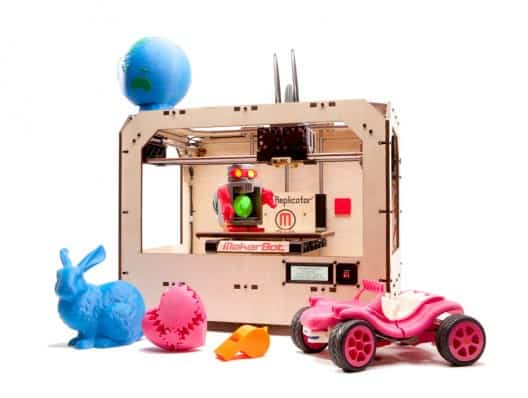
7 Educational Uses for 3D Printing
When someone says that they have a 3D printer, many people visualize a printer that produces 3D images on a sheet of paper. In actuality, a 3D printer goes beyond an image on paper and brings the object to life in real 3D. Layer by layer, the 3D printer can replicate images created in CAD programs. Any creation in supported design programs can be brought into the real world. What are some educational values of the 3D printer?
Education Pioneers’ Social Media Tips & Advice
Here are some things that Education Pioneers (EP) has learned about social media along the way and what’s worked best for us.

An Invaluable Addition to the DLN Smart Series “Data Backpacks”: APIP’s PNP
You might be scratching your head: APIP’s PNP? APIP stands for Accessible Portable Item Profile, which provides the technical framework to deliver digital content tailored to the specific accessibility needs of each student. PNP stands for Profile of Needs and Preferences, which captures those needs. You’re probably not familiar with APIP. Most people will never dig deeply into its technical guts, but they should know what it means for students: it can dramatically improve the educational experiences of so many students we are now short-changing - or worse.

What Proficiency-based Grading Means for Your Student
The new Standards-Based grading system currently used throughout the U.S. education system is significantly different from the letter-grade system that most parents grew up with. This system is designed to allow high-achieving students to progress more rapidly through the curriculum, and ensure that all students reach a certain lower bound of proficiency. Each student's level of achievement can be measured, and the over-all degree of learning advancement attained by the entire class can also be more accurately determined.
What Can You Learn From Formula 1 Racing?
We are launching a contest for the next couple weeks called“What Can You Learn From Racing?” The prize is a Team Ferrari model helmet (see image above, 1:2 scale). All you have to do is tell us in 200 words or less what lessons you can learn from F1!
Experience the Whole Web With Windows 8
Microsoft and Windows 8 are here at EDUCAUSE 2012. In the weeks and months ahead, the higher education community will discover all of the new capabilities of the reimagined Windows 8. One of my favorite standout experiences for Windows 8 is the new Internet Explorer 10.

MOOCs Bring Down Costs at Antioch University Campuses
The advent of MOOCs offered by top universities like MIT, Harvard, and Stanford has raised some questions about the current cost of higher education. If academic institutions like Harvard and MIT can offer some of their best courses online, for free, why are college students paying tens of thousands of dollars each year for their educations?
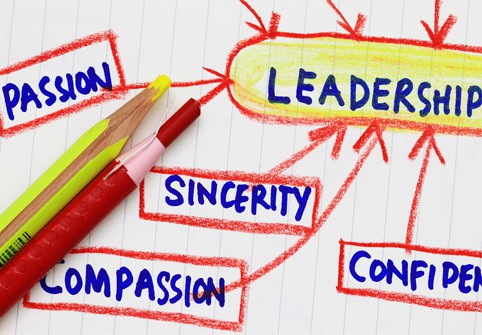
Avoid Hit-or-Miss Professional Development
As a former principal and curriculum director, I can easily tell the difference between good and bad professional development. I’m embarrassed to admit that I have had my hand in delivering some poor quality events in my career. Some of my colleagues refer to past trainings as a “spray and pray” approach to learning something.